Why do some dogs hate being petted? The answer might surprise you - it's not about you at all! While we humans love showering our pups with affection, about 15% of dogs actually dislike physical contact. I've worked with hundreds of dogs over the years, and let me tell you, this is more common than you'd think.The truth is, your dog moving away when you try to pet them doesn't mean they don't love you. Dogs show affection in many different ways, and some just prefer alternatives to cuddles. Maybe your pup would rather play fetch or just sit near you (respecting their personal space, of course).In this article, we'll break down the real reasons behind this behavior - from past trauma to simple personal preference - and give you practical tips to help your dog feel more comfortable with touch. Because here's the good news: many dogs can learn to enjoy petting with the right approach and plenty of patience!
E.g. :Pancreatic Enzymes for Pets: What Every Pet Owner Should Know
- 1、Why Some Dogs Say "No Thanks" to Cuddles
- 2、Reading Your Dog's "Please Stop" Signals
- 3、Can You Teach an Old Dog New Cuddles?
- 4、Alternative Ways to Show Love
- 5、Celebrating Your Unique Bond
- 6、The Science Behind Canine Personal Space
- 7、Breed-Specific Cuddle Quotients
- 8、The Human Factor in Canine Comfort
- 9、When to Seek Professional Help
- 10、Creating a Touch-Friendly Environment
- 11、FAQs
Why Some Dogs Say "No Thanks" to Cuddles
It's Not You, It's Them
Let me tell you something that might surprise you - not all dogs enjoy being petted. I know, I know, it goes against everything we see in those adorable Instagram videos. But just like some people don't like hugs (looking at you, Uncle Bob), some pups prefer to keep their personal space bubble intact.
Here's the thing - when your dog moves away as you reach for them, it's easy to take it personally. "Does my dog not love me?" you might wonder. But here's the truth: your dog's cuddle preferences have nothing to do with their love for you. They're just being true to their doggy nature!
The Real Reasons Behind Cuddle Resistance
Ever wonder why some dogs act like you're offering them broccoli when you try to pet them? Let's break it down:
| Reason | What's Happening | Example |
|---|---|---|
| Past Trauma | Negative experiences with human hands | Rescue dogs from abusive situations |
| Physical Pain | Undiagnosed injuries or joint issues | Senior dogs with arthritis |
| Personal Preference | Just not their love language | Some breeds are naturally more independent |
Did you know that roughly 15% of dogs show some level of discomfort with petting? That's right - your dog isn't broken, they're just part of a significant minority!
Reading Your Dog's "Please Stop" Signals
 Photos provided by pixabay
The Obvious Signs
Some dogs make it crystal clear when they've had enough:
"The Great Escape" - Your dog suddenly remembers they left the oven on... in another room... far away from your petting hand.
"The Turtle Maneuver" - That adorable head duck that makes you wonder if they think you're about to hit them rather than show affection.
The Subtle Hints You Might Miss
Dogs are masters of subtle communication. Here's what to watch for:
• Lip licking (and no, they're not thinking about treats)
• Looking away like they've spotted something fascinating on the ceiling
• The slow creep away that makes you stretch your arm to ridiculous lengths
Fun fact: When dogs lick you during petting, it's often their version of saying "Okay, that's enough now" rather than giving kisses. Ironic, right?
Can You Teach an Old Dog New Cuddles?
Starting From Scratch
Here's the good news - with patience and the right approach, many dogs can learn to enjoy (or at least tolerate) physical affection. But here's the catch: you need to let your dog call the shots.
Think of it like dating - you wouldn't propose on the first date, right? Start small with these steps:
1. Take a 3-day petting vacation (yes, really)
2. Watch for your dog initiating contact
3. Keep early sessions shorter than a TikTok video
 Photos provided by pixabay
The Obvious Signs
This is my favorite technique for testing the waters:
Give three gentle chest rubs, then stop. If your dog:
• Leans in or paws at you = "More please!"
• Stands still or moves away = "I'm good, thanks"
Remember, even if they accept touch, that doesn't mean they're ready for a full-body massage. Baby steps!
Alternative Ways to Show Love
Love Languages for Dogs
Who says affection has to mean physical touch? Here are other ways your dog might prefer to bond:
• Playtime that would make a tennis ball jealous
• Verbal praise that would embarrass a Broadway star
• Just sitting near you (personal space respected)
Did you know that many working breeds actually prefer activities over cuddles? It's true - your Border Collie might rather herd tennis balls than snuggle!
When to Respect the Boundaries
Even the cuddliest dogs have their off days. Stressful situations like vet visits or thunderstorms can make anyone (dogs included) less touchy-feely.
Here's a question to consider: Would you want someone hugging you when you're feeling anxious? Probably not. Your dog feels the same way!
The answer is simple - pay attention to their body language. If they're showing any of those "please stop" signals we talked about earlier, give them space. They'll love you for understanding.
Celebrating Your Unique Bond
 Photos provided by pixabay
The Obvious Signs
At the end of the day, your relationship with your dog isn't measured in snuggles. That excited tail wag when you come home? The way they follow you from room to room? Those are their ways of saying "I love you" in dog language.
Think about it - would you rather have a dog that tolerates your affection or one that genuinely enjoys your company in their own way? I know which one I'd pick!
Embracing Your Dog's Personality
Every dog is wonderfully unique. Some are lap dogs, some are "sit-near-you" dogs, and some are "admire-me-from-afar" dogs. And you know what? That's perfectly okay.
The most important thing isn't how much your dog likes to cuddle, but how well you understand and respect their needs. That's true love in any language!
The Science Behind Canine Personal Space
How Dogs Experience Touch Differently
Ever wonder why some dogs act like you're invading their personal space when you go in for a hug? It's all about nerve endings and sensitivity. Dogs have different concentrations of touch receptors across their bodies - some areas are like tickle spots while others feel neutral.
Here's something fascinating: A dog's back is typically less sensitive than their face or paws. That's why many dogs tolerate back scratches better than head pats. But get this - some breeds like Greyhounds have such thin skin that even gentle touches can feel intense to them!
The Evolutionary Roots of Touch Preferences
Why would nature program some dogs to dislike cuddles? It all goes back to survival instincts. Wild canids that maintained personal space had better chances of avoiding conflicts within their packs.
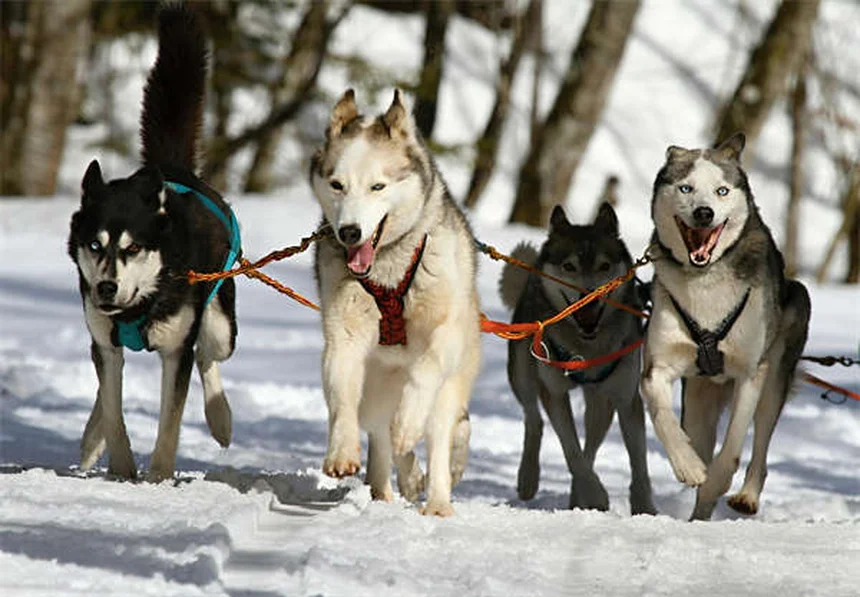
Think about wolves - they don't constantly snuggle like our domesticated buddies. Some dog breeds retain more of these ancestral traits. Northern breeds like Huskies often show more independent tendencies compared to lapdog breeds bred specifically for companionship.
Breed-Specific Cuddle Quotients
Most Likely to Snuggle
If you're dreaming of a canine cuddle buddy, consider these breeds that typically score high on the snuggle scale:
• Golden Retrievers - basically furry love sponges
• Cavalier King Charles Spaniels - bred to be lap warmers
• Pit Bulls - despite their tough image, total mushballs
But here's the kicker - even within these breeds, you'll find individual dogs who break the mold. That's the beauty of canine personalities!
Least Likely to Enjoy Constant Contact
Some breeds just didn't get the memo about being lap dogs:
• Basenjis - the cat-like dogs of the canine world
• Chow Chows - famously aloof and dignified
• Afghan Hounds - too busy being fabulous for cuddles
Does this mean these breeds don't form strong bonds? Absolutely not! They just show affection differently - maybe through protective behaviors or simply choosing to be in the same room with you.
The Human Factor in Canine Comfort
How Our Expectations Shape the Experience
Here's something we don't talk about enough - our own feelings about touch affect how dogs respond to us. If you're tense or anxious when petting your dog, they'll pick up on that energy immediately.
Ever noticed how dogs seem to gravitate toward people who ignore them? There's science behind that! When we're not focused on them, dogs feel less pressure and often initiate contact on their own terms.
Cultural Differences in Dog Handling
This might surprise you - how people interact with dogs varies wildly across cultures. In some countries, direct eye contact and full-frontal approaches are common, while others emphasize more subtle, indirect interactions.
What does this mean for you? If your dog seems uncomfortable with your touch style, try experimenting with different approaches. Maybe they'd prefer side-by-side contact instead of face-to-face interactions.
When to Seek Professional Help
Signs It's More Than Just Preference
While many dogs simply have personal space preferences, some behaviors warrant professional attention:
• Snapping or growling when touched in specific areas
• Extreme flinching at sudden movements
• Avoidance that interferes with necessary handling
Here's a question to consider: Is your dog's reaction to touch causing problems in their daily life? If basic care like grooming or vet exams becomes difficult, it's time to consult a certified behaviorist.
The answer is that professional guidance can make a world of difference. Many dogs with touch sensitivities can learn to tolerate - and even enjoy - handling through proper desensitization techniques.
The Role of Positive Reinforcement Training
Modern dog training has revolutionized how we approach touch sensitivity. Instead of forcing contact, we can use tasty rewards to create positive associations.
Picture this: Every gentle touch is followed by a high-value treat. Over time, your dog starts anticipating good things when you reach for them. It's like turning your hand into a treat dispenser rather than a source of stress!
Creating a Touch-Friendly Environment
Setting the Stage for Success
Where and how you interact with your dog makes a huge difference. Try these environment tweaks:
• Choose quiet spaces without distractions
• Avoid cornering your dog - always leave an escape route
• Use comfortable surfaces (soft beds instead of slippery floors)
Remember that time of day matters too. Many dogs are more receptive to touch when they're relaxed after exercise rather than when they're full of energy.
The Power of Choice in Building Trust
Nothing builds confidence like giving your dog control over interactions. Try this simple exercise:
1. Sit on the floor with some treats
2. Let your dog approach you on their terms
3. Reward any voluntary contact, no matter how brief
You'll be amazed how quickly most dogs become more comfortable with touch when they know they can walk away at any time. It's all about creating positive experiences they can opt into!
E.g. :My dog doesn't like to cuddle : r/dogs
FAQs
Q: Can a dog that hates petting ever learn to enjoy it?
A: Absolutely! While some dogs may never become cuddle bugs, many can learn to tolerate or even enjoy petting with the right approach. The key is to let your dog set the pace. Start with what I call the "3-second pet test" - gentle chest rubs for just a few seconds, then stop and watch their reaction. If they lean in or paw at you, they're asking for more. If they stay still or move away, respect that boundary. Over time, you can gradually increase duration and areas touched, always watching for their comfort signals. Remember, this process can take weeks or months, so patience is crucial!
Q: How can I tell if my dog actually dislikes petting?
A: Dogs give us plenty of signals when they're uncomfortable - we just need to learn to read them! Obvious signs include walking away or ducking their head. More subtle cues include lip licking, yawning, looking away, or slowly inching out of reach. One surprising signal many owners miss? When dogs lick the person petting them. While we often interpret this as affection, it's frequently a dog's way of saying "please stop." I always tell my clients: if you're unsure whether your dog is enjoying petting, they probably aren't. When in doubt, give them space and try other bonding activities they clearly enjoy.
Q: Are certain dog breeds more likely to dislike petting?
A: While any individual dog might dislike physical contact, some breeds do tend to be more independent. Working breeds like Border Collies and Australian Shepherds often prefer activities to cuddles. Similarly, primitive breeds such as Shiba Inus and Basenjis are known for being more aloof. But here's the thing I've learned from years of experience: personality varies more by individual than by breed. I've met super snuggly Shibas and standoffish Golden Retrievers. The most important factor is respecting your particular dog's preferences, regardless of what's "typical" for their breed.
Q: Could my dog's dislike of petting indicate a health problem?
A: Yes, and this is why it's so important to pay attention! Sudden changes in your dog's tolerance for touch could signal pain or discomfort. Common culprits include arthritis (especially in older dogs), injuries, skin conditions, or even something as simple as an ear infection. If your typically affectionate dog starts avoiding petting, or if they react negatively only when touched in specific areas, schedule a vet visit to rule out medical issues. I always recommend this as a first step when working with touch-averse dogs - it's better to be safe than sorry!
Q: What are some alternative ways to bond with a dog that hates petting?
A: There are so many wonderful ways to connect with your pup beyond physical touch! Try interactive play with toys they love - many dogs go crazy for flirt poles or puzzle feeders. Training sessions using positive reinforcement can be incredibly bonding (and mentally stimulating for your dog). Simply sitting near them while they chew a favorite toy or relax can be meaningful. Some dogs adore verbal praise or "conversations" where you use an excited, happy tone. The key is to observe what naturally makes your dog light up and focus on those activities. Remember, quality time comes in many forms - it's about what makes your particular dog happiest!