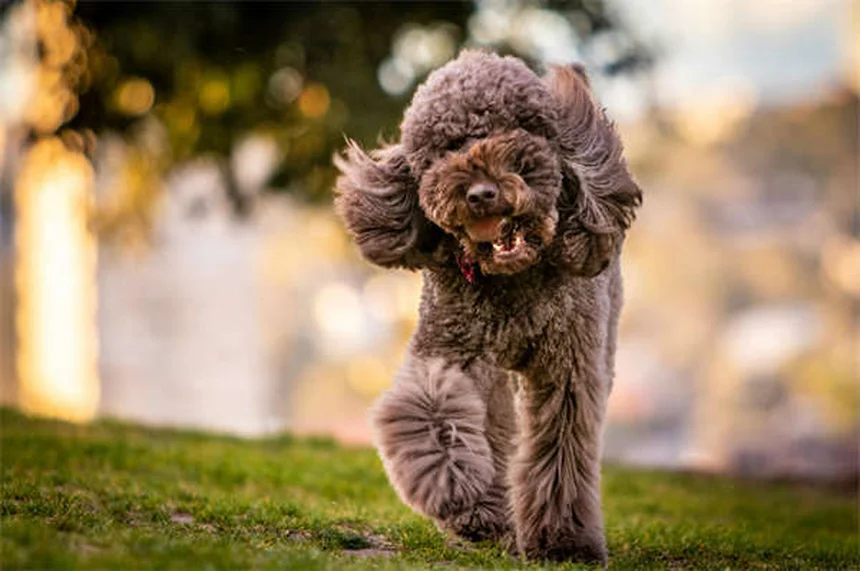
How to stop your dog from jumping on guests? The answer is simpler than you think: consistent training and smart management techniques can transform your jumping bean into a polite greeter. We've all been there - you open the door and suddenly your living room turns into a canine trampoline park. But here's the good news: whether you're dealing with an excitable puppy or a senior dog with bad habits, it's never too late to teach better manners.The secret lies in understanding why dogs jump in the first place. That adorable puppy behavior you accidentally rewarded? It's now an ingrained habit. But don't worry - we'll walk you through exactly how to reverse this using positive reinforcement techniques that actually work. From the magic of stuffed KONG toys to the power of the 180-degree turn, you'll discover practical solutions that fit into your daily routine.
E.g. :Phenobarbital for Pets: Your Complete Guide to Safe Seizure Control
- 1、Why Does Your Dog Turn Into a Kangaroo When Guests Arrive?
- 2、Common Training Mistakes That Actually Make Jumping Worse
- 3、Smart Solutions for Jumping Jacks (The Canine Variety)
- 4、Training Techniques That Actually Work
- 5、Realistic Expectations for Progress
- 6、The Secret Language of Jumping Dogs
- 7、The Physics Behind Your Dog's Air Time
- 8、The Social Dynamics of Canine Greetings
- 9、Cultural Differences in Dog Jumping Norms
- 10、When Jumping Might Signal Something More
- 11、FAQs
Why Does Your Dog Turn Into a Kangaroo When Guests Arrive?
The Puppy Love Phase That Started It All
Remember when your tiny furball could barely reach your knees? Those adorable little jumps were impossible to resist! We've all been there - you walk in the door, your puppy springs up like a popcorn kernel, and boom - instant cuddles. That's exactly how this whole jumping habit began.
Here's the thing most pet parents don't realize: every time you pet your jumping puppy, you're basically giving them a standing ovation for bad behavior. It's like applauding when someone tracks mud on your new carpet - except way cuter. Puppies learn faster than college students during finals week, and yours quickly figured out: "Jumping = attention = best day ever!"
The Science Behind the Springs
Dogs jump for the same reason kids ask "why?" 500 times a day - it works! Your pup's brain has made this connection:
| Action | Result | Dog's Conclusion |
|---|---|---|
| Jump on human | Get pets and attention | "This is awesome!" |
| Sit politely | Get ignored | "Boring. Must jump higher!" |
Now here's a question you might be asking: "But my dog still jumps even when I scold them?" Great observation! Negative attention still counts as attention in your dog's mind. To them, your frustrated "no!" sounds like "Great job! Do it again!"
Common Training Mistakes That Actually Make Jumping Worse
 Photos provided by pixabay
The Knee-Jerk Reactions That Backfire
I get it - when Fido launches himself at your grandma like she's the last lifeboat on the Titanic, your first instinct might be to push him away. But here's why that doesn't work:
Physical corrections teach your dog two things: 1) human hands are scary, and 2) they need to jump faster next time before you can react. It's like playing whack-a-mole, except you're the mole and your dog has springs for legs.
The "Wait It Out" Approach That Never Works
Some owners think their dog will magically outgrow jumping, like it's some puppy phase equivalent to emo music and bad haircuts. News flash: habits reinforced daily don't disappear with age. In fact, they become harder to break - just ask anyone who still bites their nails.
Think about it this way: if you got a paycheck every time you left your socks on the floor, would you suddenly stop? Exactly. Your dog's jumping paycheck comes in the form of attention, and they're not quitting this job without a better offer.
Smart Solutions for Jumping Jacks (The Canine Variety)
The KONG Trick That Buys You 15 Minutes of Peace
Here's my favorite party trick for jumpy dogs: the pre-stuffed KONG. Picture this - your doorbell rings, and instead of transforming into a furry missile, your dog beelines for her peanut butter-filled toy. This isn't bribery, it's strategic distraction.
Try this recipe: 1) Fill a KONG with kibble, 2) plug the small hole with peanut butter, 3) freeze it. By the time your dog licks through this canine popsicle, your guests will be settled with drinks in hand. Pro tip: keep a rotation of these in your freezer - they're like babysitters you don't have to pay.
 Photos provided by pixabay
The Knee-Jerk Reactions That Backfire
Ever notice how your dog turns into a pogo stick when meeting people on walks? Here's a simple fix: when you see an approaching human, step on the middle of the leash. Not so tight that your dog chokes, but short enough that they physically can't jump.
This isn't mean - it's like holding a toddler's hand near a busy street. You're giving clear boundaries without saying a word. After a few successful calm greetings, your dog will start thinking "Hmm, four on the floor gets me more pets than my aerial routine."
Training Techniques That Actually Work
The 180-Degree Turn That Speaks Volumes
Here's a golden rule: all attention stops when paws leave the ground. The millisecond your dog's front feet lift, you become the most boring person on earth. Turn your back, cross your arms, and stare at the clouds like they're the most fascinating thing you've ever seen.
Then - and this is crucial - the instant those paws hit the floor, you transform into the most exciting human alive! Pets, praise, maybe even a treat. This contrast teaches your dog that jumping makes you disappear, while keeping four paws planted makes you reappear with goodies.
The Nonverbal Cue That Beats "Sit"
Ever try yelling "sit" when your dog's in full greeting mode? It's like telling a kid to calm down at a birthday party - good luck with that. Instead, teach this simple hand signal:
1) Hold a treat near your chest
2) Slowly move it up and back over your dog's head
3) As their nose follows it, their butt will naturally hit the floor
4) Immediately say "yes!" and reward
Practice this daily until your dog sits just seeing the hand motion. Soon you'll be able to cross your arms (the universal "sit" signal) from across the room, and your dog will plop down like they've been waiting all day for this moment.
Realistic Expectations for Progress
 Photos provided by pixabay
The Knee-Jerk Reactions That Backfire
Here's something nobody tells you: some days your dog will greet perfectly, and other days they'll forget everything and try to lick your guest's tonsils. This doesn't mean you're failing - it means you're dealing with a living creature, not programming a robot.
Think of it like learning to drive: you didn't go from parallel parking to highway merging overnight. Your dog needs the same gradual exposure. Start with calm adult visitors before testing skills with squealing kids or that aunt who still wears perfume from 1987.
Celebrating Small Victories
Did your dog manage one polite greeting today? Throw a party! Okay, maybe not an actual party (that would be counterproductive), but do celebrate progress. Each time your dog chooses to sit instead of jump, they're rewiring years of habit.
Keep a training journal to track improvements you might otherwise miss. Note things like:
- Fewer jumps per greeting
- Shorter duration of excitement
- Faster recovery after corrections
Before you know it, you'll have a dog who greets guests with wagging tail instead of flying paws. And when that day comes, you can finally stop hiding your nice clothes when company's coming over!
The Secret Language of Jumping Dogs
What Your Dog's Jumping Style Reveals About Their Personality
Did you know your dog's jumping technique is like their personal signature? The spring-loaded poodle who barely touches the ground between jumps is sending a very different message than the slow-motion bulldog who just wants to rest their paws on your knees.
Here's a fun observation I've made after years working with jumpers: dogs who jump straight up are usually attention-seekers, while those who jump forward are often trying to get closer to your face for sniffing. It's like their version of a handshake - just way more enthusiastic and with more slobber involved.
The Surprising Connection Between Jumping and Canine Careers
Ever wonder why some working breeds are more prone to jumping than others? Take border collies for example - their famous "eye" stare and crouch is basically a controlled jump waiting to happen. These herding dogs are hardwired to move livestock, and what's jumping if not an exaggerated version of the movements they use to control sheep?
Meanwhile, scent hounds like beagles often jump to get their noses closer to interesting smells. I've seen more than one bloodhound nearly knock over their handler trying to sniff a sandwich in someone's pocket! This isn't bad behavior - it's just genetics doing what genetics do best.
The Physics Behind Your Dog's Air Time
How Doggy Muscles Create Those Impressive Leaps
Let's geek out for a moment about canine anatomy. Your dog's hind legs are basically biological pogo sticks, with powerful muscles and elastic tendons that store and release energy. When your 60-pound labrador clears three feet like it's nothing, you're witnessing some serious biomechanical engineering!
The secret lies in the gastrocnemius and quadriceps muscles working together like perfect partners. These muscles contract to launch your dog upward, while their flexible spine acts like a spring to maximize height. It's the same principle basketball players use when they jump - except dogs don't need expensive sneakers to get air.
Why Smaller Dogs Often Jump Higher (Relative to Their Size)
Here's an interesting fact that might surprise you: a jack russell terrier can jump five times its own height, while a great dane might struggle with two times. This isn't just about courage - it's basic physics!
Smaller dogs have a better power-to-weight ratio, meaning their muscles don't have to work as hard to lift their lighter bodies. It's why you'll see tiny dogs clearing baby gates like Olympic athletes while big dogs just look at them wistfully. Mother Nature's way of keeping the playing field even!
The Social Dynamics of Canine Greetings
How Dogs Greet Each Other vs. How They Greet Humans
Ever noticed that dogs don't typically jump on each other when meeting? There's a good reason for this! In the dog world, face-to-face contact can be seen as challenging or rude. Most canine greetings involve sniffing rear ends first - which, while gross to us, is perfectly polite in dog etiquette.
So why do they jump on humans? Simple - we've accidentally trained them to! By standing upright, we put our faces and hands (the most interesting parts to dogs) way up high. Is it any wonder they try to bridge the gap? To your dog, jumping is just their solution to our weird human habit of keeping all the good sniffing spots out of reach.
The Role of Eye Contact in Jumping Behavior
Here's something most people miss: your eye contact directly influences your dog's jumping. When you look at your jumping dog, even to scold them, you're giving them exactly what they want - your attention. It's like telling a toddler "don't think about pink elephants" - all they'll hear is "pink elephants!"
Try this experiment: next time your dog jumps, completely avoid eye contact while turning away. You'll be amazed how quickly they realize jumping doesn't work anymore. I've seen tough cases improve dramatically just by changing where the human looks during greetings!
Cultural Differences in Dog Jumping Norms
How Different Countries View Jumping Dogs
Did you know that in some cultures, dog jumping isn't seen as a problem at all? In many Latin American countries, for example, enthusiastic dog greetings are often interpreted as affection rather than misbehavior. Meanwhile, in Japan where personal space is highly valued, jumping dogs are generally less tolerated.
This cultural perspective might explain why some breeds developed certain tendencies. Take the happy-go-lucky golden retriever - bred in Scotland where friendly greetings were valued, versus the more reserved shiba inu from Japan where calm demeanor was preferred. Neither approach is right or wrong - just different solutions to different social expectations!
The History of Dogs Jumping Into Human Lives
Let's take a quick historical detour. Ancient dogs probably didn't jump on people much - early humans lived closer to the ground in caves and simple shelters. But as we started building furniture and standing upright more, we literally elevated ourselves out of easy sniffing range!
The Victorian era really cemented jumping as a "problem" behavior, when dogs became more indoor companions and cleanliness standards rose. Suddenly, muddy paws on crisp linen dresses became a social faux pas. Funny how our changing lifestyles shaped what we consider "good" dog behavior, isn't it?
When Jumping Might Signal Something More
Could Excessive Jumping Indicate Underlying Issues?
While most jumping is normal dog behavior, sometimes it can hint at other needs. Does your dog only jump excessively when certain people visit? They might be picking up on subtle cues that make them anxious. Or do they jump mostly when you've been gone all day? That could signal separation distress.
Here's a question worth considering: "Is my dog trying to tell me something with their jumps?" Sometimes what we see as misbehavior is actually clever problem-solving. A dog who jumps when seeing another dog might be saying "I want to play!" while one who jumps when hearing loud noises could mean "I'm scared!"
The Connection Between Jumping and Canine Fitness
Believe it or not, your dog's jumping ability can be a great indicator of their overall health. A previously energetic jumper who suddenly can't or won't leap anymore might be experiencing joint pain or other issues. On the flip side, dogs who get proper exercise are often more controlled with their jumps because they've burned off that excess energy.
I always recommend keeping an eye on changes in your dog's jumping habits - it's one of those behaviors that can tell you a lot about their physical and mental state. Think of it like your dog's personal fitness tracker, minus the expensive smartwatch!
E.g. :If you got your dog to stop jumping on people - how?? : r/Dogtraining
FAQs
Q: Why does my dog jump on people when they arrive?
A: Your dog jumps because it's worked for them in the past - plain and simple. Think back to when they were a puppy: every time those tiny paws left the ground, they got attention, pets, and maybe even excited voices. Dogs aren't stupid - they quickly learn what behaviors get results. Now that they're bigger, the jumping has become their go-to greeting strategy. The good news? You can teach them a better way to say hello that doesn't involve knocking over your grandmother.
Q: Is kneeing my dog in the chest an effective way to stop jumping?
A: Absolutely not! Not only is this cruel, but it can actually make the problem worse. Physical corrections teach your dog to fear your hands and can damage your relationship. Instead, we recommend positive reinforcement methods that show your dog what to do rather than punishing what not to do. Techniques like the "180-degree turn" and reward-based training are far more effective long-term solutions that build trust while correcting the behavior.
Q: How long will it take to stop my dog from jumping?
A: Training timelines vary depending on your dog's age, personality, and how long the jumping habit has been established. Puppies might show improvement in a few weeks, while older dogs with years of reinforced jumping may take months. The key is consistency - every single greeting matters. Think of it like learning a new skill yourself; you wouldn't expect to play piano perfectly after just a few tries. Celebrate small victories and track progress in a training journal.
Q: What's the best way to prepare for visitors with a jumpy dog?
A: Preparation is everything! Try these pro tips: 1) Keep a frozen peanut butter KONG ready to distract your dog when the doorbell rings. 2) Set up a leash tethered to heavy furniture to prevent jumping access. 3) Brief guests beforehand to ignore your dog until all four paws are on the floor. 4) Practice with "fake visitors" before the real event. Remember - management isn't cheating, it's setting your dog up for success while you work on long-term training.
Q: My dog only jumps on certain people - why?
A: This is actually a great sign! It shows your dog is capable of controlling the behavior in some situations. Typically, dogs jump most on people who give them attention (positive or negative) for the behavior. The squealing aunt who says "Oh it's fine!" while being climbed? Prime target. The mailman who ignores them? Not worth the effort. This selective jumping proves your dog understands context, which means with consistent training, you can generalize good behavior to all greetings.