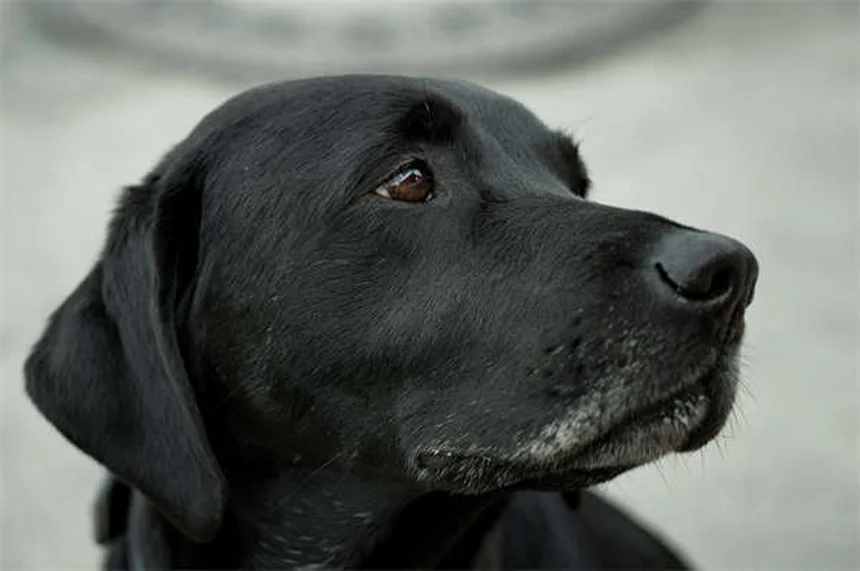
Can horses eat chocolate? The answer is absolutely not - chocolate is toxic for horses just like it is for dogs. Here's the deal: while one chocolate chip probably won't kill your horse, regular chocolate treats can lead to serious health issues including heart problems, digestive upset, and even disqualification from competitions. I've seen too many well-meaning horse owners make this mistake, so let me break down exactly why chocolate and horses are a dangerous combination. The main culprits are theobromine and caffeine - two substances horses simply can't metabolize properly. But don't worry, I'll also share some safe and delicious alternatives your horse will love even more than chocolate!
E.g. :Dog Wellness Plans: Save Big on Routine Vet Care for Your Pup
- 1、Why Chocolate and Horses Don't Mix
- 2、When Chocolate Meets Horse - What Really Happens
- 3、Safe Alternatives That'll Make Your Horse Happy
- 4、Chocolate Myths Debunked
- 5、Keeping Your Horse Safe
- 6、When Accidents Happen
- 7、Frequently Asked Questions
- 8、The Science Behind Equine Digestion
- 9、Beyond Chocolate - Other Human Foods to Avoid
- 10、Understanding Equine Taste Preferences
- 11、Real-Life Horror Stories
- 12、Seasonal Dangers You Might Not Consider
- 13、When Good Intentions Go Wrong
- 14、Creating a Chocolate-Safe Environment
- 15、FAQs
Why Chocolate and Horses Don't Mix
The Bitter Truth About Theobromine
Let me tell you something - chocolate might be your guilty pleasure, but it's a definite no-no for horses. The main culprit? Theobromine. This sneaky compound found in cocoa plants can wreak havoc on a horse's system.
Here's what happens when theobromine enters a horse's body: First, it stimulates their nervous system like a triple shot of espresso. Then it goes to work on their heart and muscles. And if that wasn't enough, it makes them pee more while relaxing their smooth muscles. Not exactly a fun cocktail for our four-legged friends!
Caffeine - The Hidden Danger
Did you know some people actually try to use caffeine to "juice up" racehorses? That's not just unethical - it's illegal! Caffeine can send a horse's heart racing faster than a Kentucky Derby winner, leading to stress, ulcers, and that dreaded condition called colic.
| Chocolate Type | Theobromine Content | Danger Level |
|---|---|---|
| Cocoa beans | Highest | Extreme |
| Dark chocolate | High | Very High |
| Milk chocolate | Medium | Moderate |
| White chocolate | Lowest | Low (but still bad) |
When Chocolate Meets Horse - What Really Happens
 Photos provided by pixabay
The Immediate Effects
Picture this: Your curious horse gets into your candy stash. Within hours, you might notice diarrhea, restlessness, or a racing heartbeat. But here's the scary part - these symptoms could mean dozens of different things. How would you know it's the chocolate?
Dr. Turner puts it bluntly: "We know exactly how much chocolate can hurt a dog, but with horses? It's a mystery." That's why every vet will tell you the same thing - just keep chocolate away from horses, period.
The Emergency Protocol
If you catch your horse mid-chocolate binge, don't panic - but act fast! Your vet will likely:
1. Use a tube to remove the chocolate from their stomach
2. Give them oil to coat their stomach
In severe cases? Straight to the equine hospital. Not exactly how you want to spend your weekend, right?
Safe Alternatives That'll Make Your Horse Happy
Nature's Candy
Who needs chocolate when you've got these winners:
- Crisp apples (remove the seeds!)
- Sweet carrots
- Peppermint candies (the equine equivalent of a Starbucks run)
- Special horse treats (they make low-sugar versions too)
Ever seen a horse's face light up when you bring out the carrots? That's pure joy - without any of the chocolate risks.
 Photos provided by pixabay
The Immediate Effects
You might be thinking, "Come on, one chocolate chip won't hurt, will it?" Here's the thing - while a single chip probably won't land your horse in the ER, why take the chance? There are so many safer ways to show your horse some love.
Chocolate Myths Debunked
The White Chocolate Deception
"But it's white chocolate - that's basically just sugar and milk!" I hear you say. Nope! While it has less theobromine, it still contains enough to potentially cause problems. Plus, many older horses develop lactose intolerance - so that milk content could upset their stomach.
The Dark Chocolate Danger
Dark chocolate might be your healthy choice, but for horses? It's the most dangerous kind. With up to 10 times more theobromine than milk chocolate, it's like giving them a triple espresso with a side of trouble.
Keeping Your Horse Safe
 Photos provided by pixabay
The Immediate Effects
Make these non-negotiables at your stable:
1. No chocolate in horse areas - period
2. Educate everyone who comes near your horses
3. Store treats in clearly labeled containers
Remember - horses are curious creatures. That candy bar in your pocket? They'll find a way to get it if you're not careful!
Competition Considerations
Here's something most people don't think about: Theobromine and caffeine are banned substances in competitions. Even accidental exposure could get your horse disqualified. Not exactly the kind of attention you want at the big show!
When Accidents Happen
Recognizing the Signs
How can you tell if your horse got into chocolate without you seeing it? Watch for:
- Unexplained diarrhea
- Increased urination
- Restlessness or nervous behavior
- Rapid heartbeat
If you notice these symptoms and suspect chocolate exposure, call your vet immediately. Better safe than sorry!
The Vet's Playbook
Ever wonder what the vet will do? Here's the typical game plan:
1. Assess how much chocolate they might have eaten
2. Check vital signs
3. Begin decontamination procedures
4. Provide supportive care as needed
The bottom line? Chocolate and horses go together like oil and water - they just don't mix!
Frequently Asked Questions
Can Horses Eat Chocolate Chip Cookies?
One tiny chocolate chip probably won't cause major issues, but why risk it? The cookie itself isn't great for them either. Stick to horse-approved treats instead.
What About Chocolate-Flavored Treats?
Most commercial "chocolate-flavored" horse treats don't contain real chocolate. Still, read the labels carefully - if it lists cocoa or theobromine, put it back on the shelf.
My Horse Ate a Whole Chocolate Bar - Now What?
First, don't panic. Then:
1. Remove any remaining chocolate
2. Call your vet immediately
3. Be prepared to describe what type and how much they ate
4. Follow your vet's instructions to the letter
Remember - quick action can make all the difference!
The Science Behind Equine Digestion
Why Horses Can't Process Chocolate Like We Do
You know how some people can eat anything and never gain weight? Horses are the opposite when it comes to chocolate. Their digestive systems lack the specific enzymes needed to break down theobromine efficiently. While humans metabolize it within hours, horses can take days to process the same amount.
Think of it like trying to run a diesel engine on gasoline - the system just isn't designed for it. The liver struggles, the kidneys get overwhelmed, and before you know it, you've got a very sick horse on your hands.
The Domino Effect of Chocolate Toxicity
Ever wonder why chocolate affects horses so differently than other animals? It's all about body size and metabolism. A 1,200-pound horse might seem like it could handle more than a 50-pound dog, but here's the kicker - horses are actually more sensitive to theobromine per pound of body weight!
| Animal | Lethal Dose (mg/kg) | Comparison to Horses |
|---|---|---|
| Dogs | 300 | 3x more tolerant |
| Cats | 200 | 2x more tolerant |
| Horses | 100 | Most sensitive |
Beyond Chocolate - Other Human Foods to Avoid
The Hidden Dangers in Your Lunchbox
While we're talking about chocolate, let's cover some other common human foods that spell trouble for horses:
- Avocados: Contain persin which can cause heart damage
- Onions and garlic: Can lead to anemia by destroying red blood cells
- Caffeine products: Even your morning coffee grounds can be dangerous
You wouldn't feed your horse a cheeseburger, right? Well, chocolate is just as inappropriate - maybe even more so because it looks so innocent.
The Sugar Factor You're Not Considering
Here's something most people overlook - it's not just about the theobromine. The high sugar content in chocolate can disrupt the delicate balance of bacteria in a horse's gut. This can lead to colic or laminitis, two conditions that can be life-threatening for horses.
Understanding Equine Taste Preferences
What Horses Actually Enjoy
You might think horses would love chocolate because, well, who doesn't? But horses actually have different taste preferences than humans. They only have about 25,000 taste buds compared to our 9,000 - but theirs are specialized for their natural diet.
Horses naturally crave:
- Sweet flavors (hence their love for apples and carrots)
- Salty minerals (which is why they lick salt blocks)
- Fresh, crisp textures (think crunchy vegetables)
Chocolate? Not on their evolutionary menu!
The Psychology of Treat-Giving
Ever notice how horses respond to treats? It's not just about the taste - it's about the bonding experience. The good news? You can create those special moments with safe alternatives. Try these bonding activities instead:
- Hand-feeding hay cubes
- Offering peppermints from your palm
- Sharing watermelon slices on hot days
These create the same warm fuzzies without the risks!
Real-Life Horror Stories
The Case of the Stolen Valentine's Chocolates
Remember that viral story about the show horse who snuck into his owner's purse? Ate an entire box of chocolates meant for her husband. The vet bill? Over $5,000. The lesson? Always keep chocolate secured around horses - they're smarter than we give them credit for!
The Barn Cat's Misguided Gift
Here's one you haven't heard before: A barn cat once dragged a chocolate bar into a stall as a "gift" for his favorite mare. The owner caught it just in time, but it goes to show - you need to think about all possible sources of chocolate exposure in your barn.
Seasonal Dangers You Might Not Consider
Holiday Hazards for Horse Owners
You know what time of year vets see the most chocolate toxicity cases? The week after Halloween and Easter. All those candy wrappers blowing around? Perfect temptation for curious horses. Here's how to protect your horse during holidays:
- Designate a secure "human candy zone" far from the barn
- Use locking trash cans for wrappers
- Educate visiting kids about the dangers
Because nothing ruins a holiday faster than an emergency vet visit!
Summer Camp Concerns
Running a summer riding program? You've got to think about the snacks parents pack for their kids. A simple solution: Post clear signs at the barn entrance listing prohibited foods, and provide safe alternatives for snack time.
When Good Intentions Go Wrong
The Well-Meaning Visitor Problem
How many times have you seen someone try to feed a horse "just a little piece" of their chocolate bar? It usually comes from a place of affection, but it's our job to educate. Try these polite but firm responses:
- "Oh, chocolate actually makes horses really sick - here's a carrot you can give instead!"
- "Thanks for thinking of him! We actually have special treats right over here."
- "Did you know horses can't process chocolate? Crazy, right?"
See? You can protect your horse without being the barn grump!
The Supplement Confusion
Here's a curveball - some horse supplements contain cocoa husks for flavoring. While these are generally safe in tiny amounts, it's worth checking labels if your horse has health issues. When in doubt? Ask your vet about any supplement containing cocoa products.
Creating a Chocolate-Safe Environment
Barn Design Tips
Want to really protect your horses? Consider these barn design elements:
- Locking tack room for human food storage
- Clear signage about prohibited foods
- Designated human snack areas away from stalls
- Secure trash receptacles with locking lids
A little planning now can prevent big problems later!
The Visitor Education Plan
Don't wait until someone's unwrapping a candy bar near your horse's stall. Make education part of your standard new visitor orientation. A simple 2-minute chat can prevent disasters. Cover:
- Why chocolate is dangerous
- Where safe treats are kept
- Proper hand-feeding technique
Because an educated visitor is your best ally in keeping horses safe!
E.g. :Chocolate for a soon to be euthanized horse? : r/Horses
FAQs
Q: Why is chocolate so dangerous for horses?
A: Chocolate contains two substances that are toxic to horses - theobromine and caffeine. Here's why they're so dangerous: Theobromine affects a horse's nervous system, heart, and muscles while increasing urination. Caffeine can cause rapid heart rate, stress, and potentially lead to ulcers or colic. What makes this especially scary is that we don't even know how much chocolate is too much for horses - unlike with dogs where we have clear toxicity levels. That's why every vet will tell you it's better to be safe than sorry and keep all chocolate away from your horses.
Q: What should I do if my horse accidentally eats chocolate?
A: If you catch your horse eating chocolate, act fast! First, remove any remaining chocolate and estimate how much they consumed. Then call your veterinarian immediately - don't wait for symptoms to appear. Your vet will likely either tube your horse to remove the chocolate from their stomach or give them oil to coat their stomach and prevent absorption. In severe cases, your horse may need emergency care at an equine hospital. Remember, the sooner you act, the better the outcome will be for your horse.
Q: Are some types of chocolate more dangerous than others?
A: Absolutely! The darker the chocolate, the more dangerous it is for horses. Here's the breakdown from most to least toxic: 1) Cocoa beans and powder (most toxic), 2) Baking chocolate, 3) Dark chocolate, 4) Milk chocolate, 5) White chocolate (least toxic but still bad). Dark chocolate contains up to 10 times more theobromine than milk chocolate, making it especially dangerous. But here's the bottom line - no form of chocolate is truly safe for horses, so it's best to avoid them all.
Q: What are some safe treat alternatives to chocolate for horses?
A: The good news is there are plenty of delicious, safe alternatives your horse will love! My top recommendations are: fresh apples (remove the seeds first), sweet carrots, peppermint candies, and commercial horse treats. For horses with metabolic issues like Cushings or insulin resistance, look for low-sugar, low-carb specialty treats. Pro tip: Most horses go crazy for watermelon in the summer - just remove the rind! These alternatives let you spoil your horse without any of the risks that come with chocolate.
Q: Could chocolate affect my horse's competition performance?
A: Yes, and this is something many owners don't realize! Theobromine and caffeine are banned substances in most equine competitions. Even accidental exposure could lead to your horse testing positive and being disqualified. The substances can stay in a horse's system for days, so it's not just about avoiding chocolate right before a show. My advice? Make your entire barn a chocolate-free zone to eliminate any risk of accidental ingestion that could jeopardize your competition season.