
Can dogs really sense things humans can't? The answer is absolutely yes! Dogs possess incredible super senses that allow them to detect emotions, illnesses, weather changes, and even pregnancy before we're aware of them ourselves. I've seen this firsthand with my own dog Max - his ability to know when I'm stressed or when a storm's coming still blows my mind every time.Here's the deal: Your pup's nose contains 50 times more scent receptors than yours, their hearing picks up frequencies we can't detect, and their vision is optimized for motion tracking. This gives them a completely different perception of the world that we're just beginning to understand. Whether it's sniffing out cancer or sensing your bad mood before you do, dogs have abilities that seem almost supernatural to us humans.
E.g. :Can You Leash Train a Rabbit? Expert Tips for Happy Bunny Walks
- 1、Your Dog's Superpowers: 8 Amazing Things They Can Sense
- 2、2. Emotional Detectives: How Dogs Read Your Feelings
- 3、3. Pregnancy Detection: Can Your Dog Tell Before You Do?
- 4、4. Fear Detection: Why Dogs React to Scared Humans
- 5、5. Illness Detection: Your Dog as a Health Monitor
- 6、6. Weather Prediction: How Dogs Sense Storms Coming
- 7、Beyond the Basics: More Incredible Dog Abilities
- 8、The Social Superpowers of Dogs
- 9、Training Tips to Enhance Your Dog's Natural Abilities
- 10、The Future of Dog-Human Partnerships
- 11、FAQs
Your Dog's Superpowers: 8 Amazing Things They Can Sense
Ever wonder why your dog suddenly acts differently when you're feeling down? Or how they seem to know when a storm is coming before you do? Dogs have supercharged senses that let them pick up on things we humans completely miss. Let me break down exactly how they do this - and why it matters for you as a pet owner.
1. The Science Behind Your Dog's Super Senses
Dogs experience the world completely differently than we do. Their senses work like high-tech equipment that's always scanning the environment. Here's what makes them so special:
| Sense | Dog Advantage | Human Comparison |
|---|---|---|
| Smell | 300 million scent receptors | Only 6 million |
| Hearing | Detects higher frequencies | Better at pitch changes |
| Vision | Better night vision & motion tracking | Sees more colors |
Did you know your dog's nose is so sensitive it could detect a teaspoon of sugar in an Olympic-sized swimming pool? That's 50 times more powerful than your nose! When I first learned this, I started paying much closer attention to how my dog reacts to different smells in our home.
2. Emotional Detectives: How Dogs Read Your Feelings
Your Mood Is An Open Book
Ever notice how your dog acts differently when you're happy versus when you're stressed? That's not your imagination. Dogs are emotional sponges that soak up our feelings through multiple channels:
- Changes in your voice pitch and tone
- Differences in your body language and posture
- Chemical changes in your sweat and breath
Here's a funny example from my own life: When I'm watching football and my team scores, my golden retriever Max immediately brings me his favorite toy. But when I'm stressed about work deadlines? He quietly curls up at my feet. He's basically my emotional barometer!
 Photos provided by pixabay
The Stress Connection
Did you know your stress could actually be making your dog anxious too? A fascinating study showed that dogs living with chronically stressed owners had higher cortisol levels themselves. This emotional mirroring happens because:
1. Dogs evolved to be highly attuned to human emotions
2. They can detect subtle physiological changes we don't notice
3. They often mirror our emotional states as a bonding mechanism
3. Pregnancy Detection: Can Your Dog Tell Before You Do?
The Hormone Factor
While there's no definitive scientific proof, countless dog owners report their pets acting differently when they become pregnant. My neighbor's Labrador started being extra protective of her belly before she even knew she was expecting!
How might dogs detect pregnancy? Through their incredible ability to smell hormonal changes. Pregnancy causes:
- Shifts in estrogen and progesterone levels
- Changes in body odor and pheromones
- Differences in movement patterns and energy levels
Behavior Changes to Watch For
If you're expecting (or think you might be), watch for these signs in your dog:
Increased protectiveness: They may stick closer to you than usual
Nose obsession: More sniffing of your belly area
Behavioral shifts: Becoming more gentle or more anxious
4. Fear Detection: Why Dogs React to Scared Humans
 Photos provided by pixabay
The Stress Connection
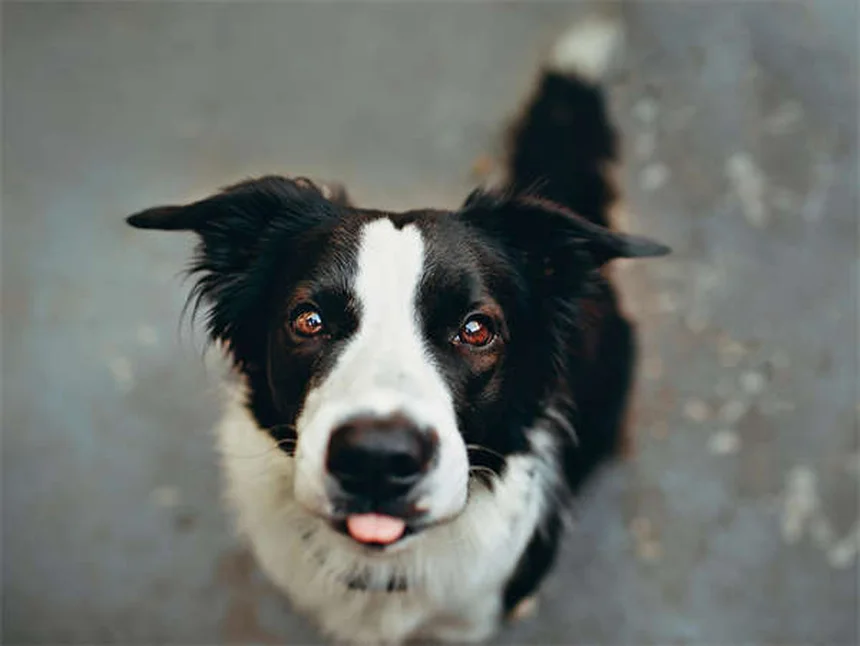
Have you ever noticed how some dogs seem to "smell fear"? There's actually truth to this! When humans feel afraid, we release different chemical signals through our sweat and body language. Dogs pick up on these cues instantly.
In one eye-opening study, dogs exposed to sweat from frightened humans showed clear avoidance behaviors. Meanwhile, those exposed to happy sweat sought out social interaction. This proves dogs don't just sense fear - they respond to it.
What This Means for You
If you're nervous around dogs, you might unintentionally trigger their defensive instincts. Here's what I recommend:
1. Stay calm and breathe normally
2. Avoid direct eye contact at first
3. Let the dog approach you on their terms
Remember, your emotional state directly affects how dogs perceive and interact with you. Calm energy = positive interactions!
5. Illness Detection: Your Dog as a Health Monitor
The Medical Alert System
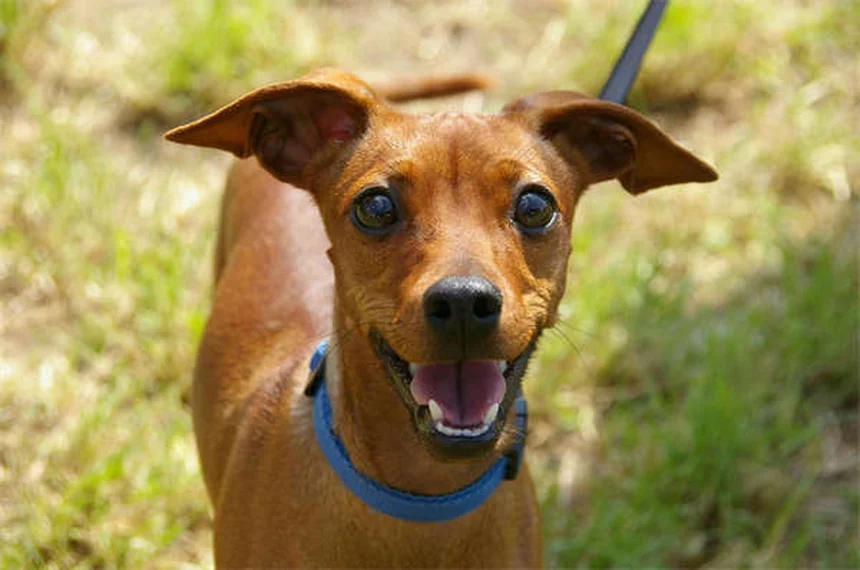
Dogs have successfully detected everything from cancer to COVID-19 with impressive accuracy. How? Their noses can identify the unique chemical signatures of different diseases. Some key findings:
- 94% success rate detecting COVID-19 in studies
- Ability to sniff out melanoma skin cancer
- Detection of blood sugar changes in diabetics
I'll never forget when a friend's dog kept obsessively sniffing at her ankle. Turns out, that spot had early-stage skin cancer the doctors hadn't caught yet!
 Photos provided by pixabay
The Stress Connection
While some dogs naturally alert to health issues, others can be specifically trained. Service dogs for diabetics or epileptics learn to:
- Detect chemical changes before symptoms appear
- Fetch medication or a phone in emergencies
- Provide physical support during medical episodes
6. Weather Prediction: How Dogs Sense Storms Coming
The Barometric Pressure Connection
Ever notice your dog acting anxious before a storm hits? They're not being dramatic - they're picking up on real environmental changes we can't perceive. Dogs detect:
- Drops in barometric pressure
- Build-up of static electricity
- Changes in scent patterns as air pressure shifts
My aunt's terrier starts pacing exactly 30 minutes before every thunderstorm. It's like having a furry weather channel!
Helping Your Weather-Sensitive Dog
If storms stress your pup, try these calming strategies:
1. Create a safe space (like a crate with blankets)
2. Use white noise to mask thunder sounds
3. Consider anxiety wraps that apply gentle pressure
The more you understand about your dog's incredible senses, the better you can support them - and appreciate their amazing abilities. Next time your dog acts strangely, pay attention! They might be trying to tell you something important.
Beyond the Basics: More Incredible Dog Abilities
Time Perception - Your Dog's Internal Clock
Ever wonder how your dog knows exactly when it's dinner time? Dogs have an incredible sense of time passing that puts most humans to shame. While they don't understand clocks like we do, they track time through:
- Changes in sunlight and shadows throughout the day
- Your daily routines and habits (they notice patterns we don't)
- Their own biological rhythms and hunger cues
Here's something wild - my neighbor's poodle starts waiting by the door at 3:58 PM every day, just in time for the kids to come home from school at 4:00. How does she know? Turns out, dogs can smell the passage of time as odors in a room change throughout the day. Mind blown!
Earthquake Prediction - Nature's Early Warning System
Before earthquakes hit, dogs often act strangely - barking, whining, or trying to escape. Scientists believe they detect:
- Tiny fractures in the earth releasing gases
- Changes in the magnetic field
- High-frequency sounds from shifting tectonic plates
In 2011, Japanese researchers studied dog behavior before earthquakes and found increased restlessness 24 hours before major quakes. Your dog might be the best earthquake detector money can't buy!
The Social Superpowers of Dogs
Reading Human Intentions - The Mind Readers
Dogs don't just understand our emotions - they can predict what we're about to do! Through thousands of years living with humans, they've developed skills like:
- Recognizing when you're preparing to leave the house (they notice cues like putting on shoes or grabbing keys)
- Knowing when you're about to give them food (they watch your body language)
- Understanding pointing gestures better than chimpanzees
Here's a funny test you can try: Next time you're about to take your dog for a walk, pause with one shoe on and one shoe off. Watch how they react! My labrador gets all excited but also confused when I do this - he can't quite figure out if we're really going.
Social Butterflies - The Dog Park Diplomats
Dogs have complex social skills we're still learning about. At the dog park, you'll see them:
- Using play bows to signal friendly intentions
- Respecting hierarchy and boundaries with other dogs
- Adjusting their play style based on the other dog's size and personality
What's really amazing is how they mediate conflicts too. I've seen my dog step between two arguing dogs at the park with a playful bow, instantly diffusing the tension. We could learn a lot about conflict resolution from our canine friends!
Training Tips to Enhance Your Dog's Natural Abilities
Scent Games - Turbocharge That Super Nose
Want to give your dog's amazing nose a workout? Try these fun games:
| Game | How To Play | Benefits |
|---|---|---|
| Find the Treat | Hide treats around the house and let your dog search | Builds confidence and scent skills |
| Scent Trails | Drag a treat along the ground for your dog to follow | Improves tracking ability |
| Which Hand? | Hold a treat in one closed hand and let your dog choose | Sharpens scent discrimination |
I started playing these games with my dog for just 10 minutes a day, and now he can find my lost keys better than I can! Who needs a metal detector when you've got a nose detector?
Communication Exercises - Strengthen Your Bond
Dogs are always trying to talk to us - we just need to learn their language. Try these exercises to improve communication:
- Teach your dog names for different toys (start with 2-3 favorites)
- Practice "watch me" commands to build focus
- Learn to read your dog's subtle body language signals
Here's a pro tip: When training, watch your dog's ears. They'll often point toward whatever has their attention. My golden retriever's ears perk up like satellite dishes when he's really focused - it's the cutest thing!
The Future of Dog-Human Partnerships
Medical Detection Dogs - The Next Frontier
Scientists are training dogs to detect diseases earlier than ever before. Some exciting developments include:
- Dogs that can sniff out Parkinson's disease years before symptoms appear
- Canine teams that screen airport travelers for COVID-19
- Research into using dogs to detect various cancers through breath samples
Did you know some hospitals are now using "bio-detection dogs" as part of their diagnostic teams? Your dog's nose might be more advanced than million-dollar medical equipment!
Assistance Dogs - Beyond the Basics
Service dogs are learning incredible new skills to help humans, like:
- Alerting to allergens in food for people with severe allergies
- Detecting oncoming panic attacks or PTSD episodes
- Helping autistic children with social interactions
I recently met a service dog trained to interrupt harmful repetitive behaviors in people with OCD. The dog gently nudges their person's hand when they start picking at their skin. That's not just training - that's love in action.
As we continue to understand more about our dogs' amazing abilities, one thing becomes clear: we've only scratched the surface of what our canine companions can do. Every day, they're using their superpowers to make our lives better - whether we realize it or not. So next time your dog does something that makes you say "how did you know?", take a moment to appreciate the incredible creature sharing your home. They're not just pets - they're partners in this wild journey called life.
E.g. :8 Surprising Things Your Dog Can Sense | PetMD
FAQs
Q: How do dogs sense human emotions?
A: Dogs are emotional geniuses when it comes to reading people. They pick up on subtle changes in your voice, body language, and even chemical signals in your sweat. When I'm happy, my dog Max brings his favorite toy to celebrate. When I'm stressed, he curls up quietly by my feet. Studies show dogs can actually mirror our emotional states - if you're chronically stressed, your dog's cortisol levels may rise too. Their ability to read us comes from thousands of years of evolution alongside humans, making them the ultimate emotional support companions.
Q: Can dogs really detect pregnancy in humans?
A: While science hasn't definitively proven it, countless dog owners (including my neighbor) report their pets acting differently when they're expecting. Dogs can smell hormonal changes and shifts in body chemistry that occur during pregnancy. Some become more protective, others more clingy or attentive to the belly area. My friend's Labrador started guarding her before she even knew she was pregnant! Though we don't fully understand how they know, their incredible noses likely detect the unique scent changes pregnancy causes.
Q: Why do dogs react to fearful people?
A: Dogs don't just sense fear - they respond to it in fascinating ways. Research shows they can detect fear chemicals in human sweat and will often mirror that emotional state. In one study, dogs exposed to "fear sweat" showed clear avoidance behaviors. This explains why nervous people sometimes trigger defensive reactions in dogs. As someone who's worked with anxious dogs, I always advise people to stay calm around unfamiliar pups. Your emotional state directly affects how dogs perceive you, so deep breaths and relaxed body language lead to better interactions.
Q: How accurate are dogs at detecting illnesses?
A: Surprisingly accurate! Studies show dogs can identify various medical conditions with about 94% accuracy for COVID-19 detection. Their noses can sniff out cancer, diabetes, and even oncoming seizures by picking up on subtle chemical changes. I'll never forget when a friend's dog persistently sniffed at her ankle - it turned out to be early-stage skin cancer doctors had missed. While not all dogs are medical alert dogs, their natural detection abilities are being harnessed in hospitals and research facilities worldwide.
Q: How do dogs predict weather changes?
A: Your dog isn't being dramatic when they act anxious before a storm - they're sensing real environmental changes. Dogs detect drops in barometric pressure, static electricity buildup, and shifts in scent patterns as air pressure changes. My aunt's terrier starts pacing exactly 30 minutes before every thunderstorm - he's more reliable than the weather channel! For dogs sensitive to weather changes, I recommend creating a safe space with blankets and using white noise to help them stay calm during storms.