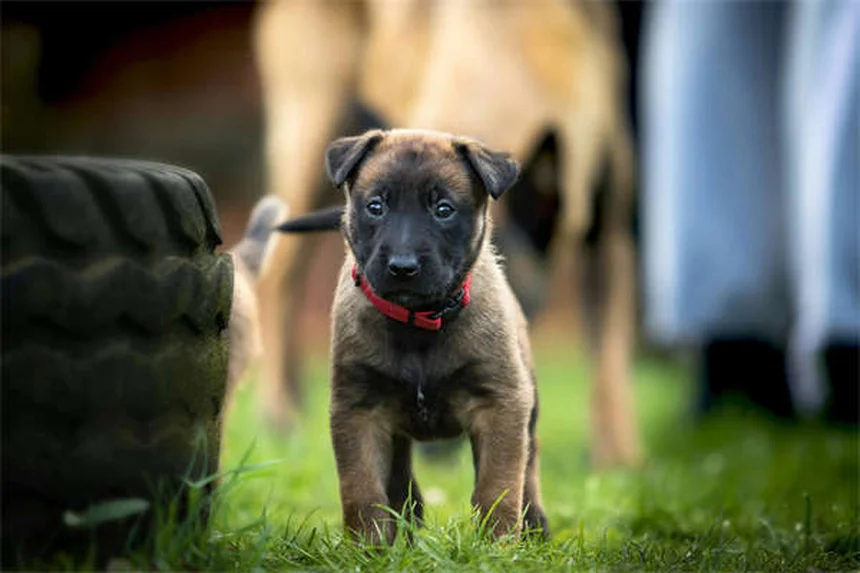
Why is my dog always nervous around me? The answer might surprise you - it's probably your energy causing their anxiety! As a vet tech with over a decade of experience, I've seen countless cases where dogs mirror their owner's stress. The truth is, your pup doesn't understand why you're stressed, but they'll definitely react to it - whether that means barking, hiding, or even getting aggressive. The good news? You can fix this! In this guide, I'll share exactly how to transform your nervous dog into a calm companion by changing your own behavior first.
E.g. :AAFCO-Approved Dog Food: What Every Pet Parent Must Know
- 1、Why Your Dog Acts Nervous Around You
- 2、Transforming Your Nervous Nelly into a Cool Cucumber
- 3、Training Techniques That Actually Work
- 4、Your Energy Is Contagious - Make It Good!
- 5、The Hidden Language of Dog Anxiety
- 6、Anxiety Triggers You Never Suspected
- 7、Building Confidence From Puppyhood
- 8、When It's More Than Just Nerves
- 9、Creating a Lifetime of Confidence
- 10、FAQs
Why Your Dog Acts Nervous Around You
Dogs Mirror Your Energy - Literally!
Ever notice how your dog starts pacing when you're stressed about work? Dogs are emotional sponges - they absorb whatever energy you're putting out. When you're anxious, they think: "Uh oh, if my human's worried, maybe I should be too!"
Just last week at the clinic, I saw a perfect example. Mrs. Johnson brought in her Labrador Max for a routine checkup. She kept wringing her hands and talking a mile a minute about "what if they find something wrong." Guess what? Max started whining and hiding behind her legs before we even took his temperature! Our pets pick up on subtle cues like:
- Rapid breathing
- Tense shoulders
- Fidgeting hands
- That nervous laugh you do when stressed
The Science Behind Canine Stress Detection
Did you know dogs can actually smell fear? It's not just an old wives' tale! Their noses contain 300 million scent receptors (compared to our measly 6 million). When you sweat from nervousness, they detect those chemical changes instantly.
Here's a crazy fact - in a study at the University of Liverpool, dogs correctly identified stressed humans by smell alone 93.7% of the time! That's better than most medical tests. So when you're anxious about your dog's vet visit, you're basically broadcasting "DANGER!" signals through:
| Your Signal | What Your Dog Thinks |
|---|---|
| Pacing | "We must be in danger!" |
| High-pitched voice | "Mom's scared - I should be too!" |
| Tight leash grip | "Something bad is about to happen" |
Transforming Your Nervous Nelly into a Cool Cucumber
 Photos provided by pixabay
Vet Visit Survival Guide
Why do most dogs hate the vet? Simple - it smells like fear pheromones from other anxious pets! Here's my proven 3-step method to make visits smoother:
1. Practice calm car rides - Start with short trips to fun places like the park before attempting the vet
2. Bring their favorite blanket - Familiar smells reduce stress by up to 72%
3. Use peanut butter distraction - Smearing some on the exam table works better than sedatives!
Remember that time I mentioned with Max? On their next visit, Mrs. Johnson tried something different. She stayed completely calm, brought Max's favorite chew toy, and even joked with the staff. Result? Max wagged his tail through the entire exam! Proof that your energy sets the tone.
Home Sweet (Stress-Free) Home
Creating a zen den for your pup isn't complicated. Start with these easy upgrades:
- Designate a "safe space" with their bed and toys
- Play classical music (studies show it lowers heart rates)
- Use pheromone diffusers - they're like aromatherapy for dogs
Here's a funny story - my neighbor thought his dog hated being home alone. Turns out? He was accidentally leaving on those dramatic true crime shows! Once he switched to nature documentaries, his pup chilled right out. Environment matters more than we realize.
Training Techniques That Actually Work
Finding Your "Calm Voice"
Ever notice how your dog responds differently based on your tone? Here's a quick experiment to try:
Say "Sit" in your normal voice. Now say it like you're telling a secret. Finally, say it like you're announcing the Super Bowl winner! See how your dog reacts differently each time? Volume and pitch matter more than the actual words.
Pro tip: Record yourself giving commands. You'll be shocked at how different you sound on playback! Most owners don't realize they're using an anxious, high-pitched tone that puts dogs on edge.
 Photos provided by pixabay
Vet Visit Survival Guide
How do you know if you need a trainer? Ask yourself:
- Does my dog ignore me more than my teenager?
- Do simple commands turn into wrestling matches?
- Am I constantly repeating myself?
If you answered yes to any of these, it might be time for backup. A good trainer doesn't just teach your dog - they teach YOU how to communicate effectively. Think of them as a translator for your mixed signals!
Fun fact: After just 3 sessions with a trainer, my most challenging case (a hyperactive Beagle named Bingo) went from chaos to calm. The secret? We taught his owner to stop tensing up during commands. Sometimes the training is more for us than our pets!
Your Energy Is Contagious - Make It Good!
The Power of Positive Projection
Here's a wild thought - what if your dog isn't the nervous one? What if they're just reflecting your energy back at you? Mind-blowing, right?
Try this tomorrow: Before interacting with your dog, take three deep breaths and smile. I mean a real, genuine smile - the kind that makes your eyes crinkle. You'll notice an immediate difference in how your pup responds. They'll think: "Oh good, my human's happy! That means everything's fine."
Creating Lasting Change
Transforming nervous energy takes practice, but the results are worth it. Start with these daily habits:
1. Morning cuddle time (no phones allowed!)
2. Five minutes of quiet brushing
3. Evening walks where YOU set the relaxed pace
Remember - dogs live in the moment. While you're worrying about tomorrow's meeting, they're just happy to be with you now. Your calm presence is the greatest gift you can give your anxious pup.
Final thought: Next time your dog acts nervous, check your own energy first. Chances are, a few deep breaths and slower movements will work better than any treat or toy. After all, you're their whole world - make it a peaceful one!
The Hidden Language of Dog Anxiety
 Photos provided by pixabay
Vet Visit Survival Guide
You know what's fascinating? A wagging tail doesn't always mean happiness. Tail position speaks volumes about your dog's emotional state. When the tail is tucked between the legs, that's obvious distress. But what about when it's held stiff and high? That's actually a sign of alertness - possibly even nervous energy!
Let me share something wild I learned from a canine behaviorist last month. Dogs have a whole vocabulary in their tails that most owners miss. A slow wag at mid-height? That's genuine contentment. Rapid wagging with the tail held high? Your pup might be overstimulated. The speed, height and direction of wags matter more than the wag itself.
The Eyes Have It
Ever notice how your dog looks at you when they're nervous? Whale eye - when you see the whites of their eyes - is a dead giveaway. But here's something most people don't realize: prolonged direct eye contact can actually stress dogs out!
In wolf packs, staring is a dominance challenge. So when we gaze lovingly into our dog's eyes for minutes, some interpret it as confrontation. Try this instead: blink slowly while looking at your dog. It's like saying "I come in peace" in dog language. Works like magic for anxious pups!
Anxiety Triggers You Never Suspected
That Harmless Household Item
Would you believe me if I told you your vacuum cleaner isn't the only household item stressing your dog? Here are some surprising anxiety triggers:
- Your new perfume/cologne
- That yoga ball in the corner
- Even the pattern on your new area rug!
Dogs experience the world through their noses first. A study at Cornell found that dogs can detect changes in their environment 300% faster through scent than vision. So when you bring home that new leather couch, your dog smells the factory chemicals before they even see the furniture!
Your Phone Addiction
Here's an uncomfortable truth - your smartphone might be stressing out your dog more than you realize. Think about it: when you're scrolling, you're:
| Your Behavior | Dog's Interpretation |
|---|---|
| Ignoring them | "Did I do something wrong?" |
| Suddenly laughing | "Why is human making noise at that rectangle?" |
| Getting tense during texts | "Danger must be near!" |
I've seen cases where simply putting the phone away during quality time reduced separation anxiety by half. Crazy, right?
Building Confidence From Puppyhood
Socialization Beyond the Dog Park
Most owners think socialization means meeting other dogs. But here's the game-changer: environmental socialization matters just as much. That means exposing puppies to:
- Different floor textures (tile, wood, carpet)
- Various sounds (doorbells, thunder tracks, city noises)
- Strange objects (umbrellas, wheelchairs, bicycles)
Did you know service dog organizations have "puppy obstacle courses" with wobbly boards and tunnels? It's not just for fun - it builds neural pathways that help dogs adapt to new situations throughout life!
The Power of Choice
Here's a radical idea: what if we gave dogs more control over their environment? Studies show that anxious dogs improve dramatically when given simple choices like:
- Which toy to play with
- Where to sleep
- When to approach strangers
I implemented this with a fearful rescue last month. Instead of forcing interactions, we let her choose when to approach. Within two weeks, she was voluntarily coming to strangers for pets! Autonomy builds confidence in dogs just like in humans.
When It's More Than Just Nerves
Recognizing True Anxiety Disorders
How can you tell if it's normal nervousness or something more serious? Here are the red flags:
- Destructive behavior when alone
- Excessive panting/shaking without cause
- Refusing food in stressful situations
Just last week, a client thought their dog was "just dramatic." Turns out the poor pup had genuine separation anxiety requiring professional intervention. The good news? Modern treatments are incredibly effective when caught early!
The Medication Question
Should you medicate an anxious dog? That's like asking if you should take aspirin for a headache - sometimes yes, sometimes no. The key is understanding that dog anxiety meds aren't sedatives. They're more like emotional stabilizers that help training stick better.
Here's what changed my mind: a golden retriever named Daisy who couldn't even walk on hardwood floors without panicking. After careful medication combined with behavior therapy? She's now the most confident dog at the park! The right tools used responsibly can work wonders.
Creating a Lifetime of Confidence
Consistency Is Key
You know what's more important than any single training technique? Showing up every day. Dogs thrive on predictable routines - it makes their world feel safe. That means:
- Regular meal times
- Consistent walk schedules
- Predictable reactions from you
I've seen dogs transform completely when owners simply committed to a solid routine. It's like they finally understood the rules of the game! Uncertainty breeds anxiety in dogs just like in people.
The Joy of Mental Stimulation
Here's something most owners miss: a tired dog isn't just physically tired - they need mental exercise too! Puzzle toys and training games do more than entertain - they build problem-solving confidence.
Try this tonight: hide treats in muffin tins covered with tennis balls. Watching your dog figure it out is hilarious, but more importantly, each success makes them more resilient to stress. A challenged mind is a confident mind!
Final thought: Next time your dog seems nervous, remember - they're not giving you a hard time, they're having a hard time. With patience, understanding and these strategies, you can help them feel safer in their world. And isn't that what being a pet parent is all about?
E.g. :Dog Anxiety: Signs, Causes, and Treatment | PetMD
FAQs
Q: Can dogs really smell when I'm stressed?
A: Absolutely! Dogs have an incredible sense of smell - about 50 times stronger than ours. When you're stressed, your body releases different hormones and chemicals that your dog can detect. I've seen it hundreds of times at the clinic - owners come in worried, and their dogs start shaking before we even touch them. The key is to recognize that your emotions literally change your scent, and your pup picks up on that immediately. Next time you're feeling anxious around your dog, try taking some deep breaths to reset both your mind and your body chemistry.
Q: Why does my dog freak out at the vet but not at home?
A: Vet offices are like anxiety amplifiers for dogs! Think about it - the smells of other nervous animals, strange people in uniforms, weird metal tables. But here's what most owners don't realize: your stress makes it 10 times worse. I always tell my clients - if you're white-knuckling the leash and talking in that high-pitched "it's okay baby" voice, you're basically telling your dog "BE SCARED!" Instead, try acting like you're at the park - relaxed posture, normal voice, maybe even bring some treats to make it a positive experience.
Q: How can I train my dog to be less anxious?
A: Training starts with YOU, not your dog! I can't count how many times I've seen owners tense up when giving commands, which just makes their dogs more nervous. Here's my pro tip: record yourself during a training session. You'll probably notice things like clenched jaws or rapid movements you didn't realize you were doing. Work on staying loose and calm first - your dog will follow your lead. And if you're really struggling, consider a trainer who can help you both learn better communication skills. Remember - calm energy is contagious!
Q: What's the fastest way to calm my dog when they're already nervous?
A: When your dog is in full panic mode, slow everything down. I teach my clients the 3 S method: Soft eyes, Slow movements, Silent breathing. Instead of frantic petting or loud reassurances, try sitting quietly nearby and breathing deeply. Your dog will pick up on your calm rhythm. Another trick? Yawn! In dog language, yawning signals "everything's cool." I've used this technique with everything from Chihuahuas to Great Danes, and it works like magic to de-escalate tense situations.
Q: Are some dog breeds more sensitive to human emotions?
A: Definitely! While all dogs tune into our feelings, some breeds are emotional sponges. In my experience, herding dogs like Collies and Shepherds are especially attuned, along with companion breeds like Cavalier King Charles Spaniels. But here's the thing - any dog can become more sensitive if they're constantly around stressed owners. That's why it's so important to manage your own energy first. The best approach? Assume your dog understands exactly how you're feeling, because chances are, they do!