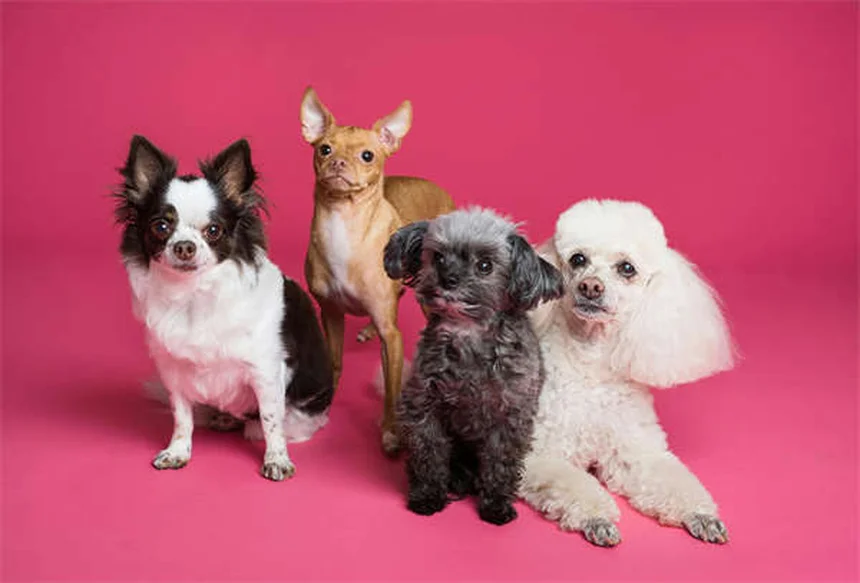
Can dogs eat cashews? The answer is yes - but with some important caveats! While cashews aren't toxic like macadamia nuts, they're high in fat and calories, which means you'll want to follow our 5 golden rules for safe feeding. I've been researching pet nutrition for over a decade, and here's what every dog owner should know: cashews can be an occasional treat, but they should never replace your pup's balanced diet. We'll break down exactly how many cashews are safe based on your dog's size, the best ways to serve them, and warning signs to watch for. Let's crack this nutty question wide open!
E.g. :Are Hand Warmers Toxic to Dogs? What to Do If Your Dog Eats One
- 1、Can Dogs Eat Cashews? Let's Crack This Nutty Question!
- 2、The Cashew Butter Debate: Yay or Nay?
- 3、Allergies and Sensitivities: Should You Worry?
- 4、Portion Control: How Many Cashews Are Too Many?
- 5、Creative Ways to Serve Cashews Safely
- 6、When to Say "No" to Cashews
- 7、The Nutritional Breakdown: What Cashews Really Offer Dogs
- 8、The Great Cashew Controversy: What Vets Really Think
- 9、Cashew Alternatives: When You Want to Mix It Up
- 10、The Psychology Behind Dogs and Human Food
- 11、Cashew Storage and Freshness Tips
- 12、Cashew Recipes for Dogs
- 13、FAQs
Can Dogs Eat Cashews? Let's Crack This Nutty Question!
The Short Answer: Yes, But With Caution
You're standing in the kitchen, munching on cashews, when those puppy-dog eyes lock onto your snack. "Can I share?" they seem to ask. The good news? Cashews aren't toxic to dogs like some other nuts (looking at you, macadamias!). But before you start a cashew buffet for Fido, there's more to consider.
Think of cashews like that rich dessert you love but shouldn't eat every day. They're packed with fat - about 12 grams per ounce - which can lead to weight gain or even pancreatitis if your dog eats too many. And while they're softer than almonds, any nut can be a choking hazard, especially for smaller breeds.
Why Cashews Are Different From Other Nuts
Not all nuts are created equal! Here's a quick comparison:
| Nut Type | Safe for Dogs? | Special Notes |
|---|---|---|
| Cashews | Yes, in moderation | High in fat, watch portions |
| Peanuts | Yes | Best unsalted and shelled |
| Macadamias | No! | Toxic to dogs |
| Pistachios | Not recommended | Choking hazard with shells |
The Cashew Butter Debate: Yay or Nay?
 Photos provided by pixabay
Homemade vs Store-Bought
Picture this: you're spreading some creamy cashew butter on toast when your dog gives you that look. Cashew butter can be safe, but you need to play detective with the ingredients first. Many store-bought versions contain xylitol (a deadly sweetener for dogs) or other additives.
My advice? Make your own simple cashew butter at home. Just roast unsalted cashews at 350°F for 10 minutes, then blend until smooth. No mystery ingredients, no worries!
Serving Suggestions That'll Make Their Tail Wag
Here's a fun idea: freeze small dollops of cashew butter in your dog's Kong toy. It's like a peanut butter alternative that provides mental stimulation too! Just remember - whether it's whole cashews or butter, these should be occasional treats, not daily staples.
Allergies and Sensitivities: Should You Worry?
The Allergy Myth Buster
Ever heard someone say "My dog is allergic to nuts!"? While possible, it's extremely rare. A 2017 study found zero reported cases of dogs having anaphylactic reactions to nuts. That said, some pups might get an upset stomach from the high fat content.
Signs to watch for:- Vomiting- Diarrhea- LethargyIf you notice these after giving cashews, your dog might be sensitive to the fat, not allergic.
 Photos provided by pixabay
Homemade vs Store-Bought
Want to test if your dog tolerates cashews? Start with just one small piece and wait 24 hours. No issues? Great! You can gradually increase to the recommended amounts below. Always keep fresh water available, as cashews can be salty.
Portion Control: How Many Cashews Are Too Many?
Size Matters: Tailoring Treats to Your Dog
Would you feed a Chihuahua the same amount as a Great Dane? Of course not! Here's a handy guide based on weight:
Extra-small dogs (2-20 lbs): 1-2 cashews or ¼ tbsp butter
Small dogs (21-30 lbs): 2-3 cashews or ½ tbsp butter
Medium dogs (31-50 lbs): 5-6 cashews or ¾ tbsp butter
Large dogs (51-90 lbs): 10-12 cashews or 1 tbsp butter
Extra-large dogs (90+ lbs): 12-18 cashews or 1½-2 tbsp butter
The 10% Rule: Keeping Treats in Check
Did you know treats should only make up 10% of your dog's daily calories? That means if your dog eats 400 calories per day, only 40 should come from treats like cashews. It's easy to go overboard with those pleading eyes staring at you, but their waistline will thank you for showing restraint!
Creative Ways to Serve Cashews Safely
 Photos provided by pixabay
Homemade vs Store-Bought
Why just hand over a cashew when you can make it an adventure? Try these ideas:- Crush cashews and sprinkle over their regular food- Mix a small amount of cashew butter with pumpkin puree for a special snack- Hide pieces in a puzzle toy to keep them mentally stimulated
Remember to always supervise your dog with any new food, especially smaller breeds who might try to swallow things whole. And never give moldy or rancid nuts - if you wouldn't eat it, neither should your pup!
The Preparation Playbook
Before sharing cashews with your dog:1. Choose plain, unsalted varieties2. Check for any added ingredients (garlic, onion, etc.)3. Consider chopping or grinding for smaller dogs4. Have fresh water available5. Start with small amounts
When to Say "No" to Cashews
Special Cases Where Cashews Aren't Worth It
While most healthy dogs can enjoy the occasional cashew, some situations call for caution:- Dogs with pancreatitis or weight issues- Puppies (their digestive systems are more sensitive)- Dogs prone to pancreatitis- Any dog with known food sensitivities
When in doubt, consult your vet. They know your dog's health history best and can give personalized advice. After all, we want our furry friends to enjoy life's little pleasures safely!
The Bottom Line on Cashews and Canines
Cashews can be a tasty occasional treat for most dogs when given properly. They're not toxic, but their high fat content means moderation is key. Always introduce new foods slowly, watch for any adverse reactions, and remember that a dog's primary nutrition should come from their regular, balanced diet.
Now that you're armed with knowledge, you can make informed decisions about sharing your snack stash. Just don't be surprised if your dog starts giving you the "cashew eyes" every time you open that nut jar!
The Nutritional Breakdown: What Cashews Really Offer Dogs
Beyond Just Fat: The Good Stuff Inside
You might be wondering - if cashews are so high in fat, why consider giving them to dogs at all? Well, these crescent-shaped nuts actually pack some impressive nutritional benefits when served responsibly. They contain essential minerals like magnesium, zinc, and iron that support your dog's immune system and muscle function.
Let me tell you about Copper, my neighbor's golden retriever. His owner started adding a few crushed cashews to his food twice a week, and we noticed his coat became shinier within a month! That's because cashews contain healthy fats and copper (the mineral, not the dog) that promote skin and coat health.
The Protein Factor: How It Compares to Dog Treats
Here's something interesting - cashews provide about 5 grams of protein per ounce. That's comparable to many commercial dog treats! Check out this comparison:
| Treat Type | Protein per Ounce | Fat per Ounce |
|---|---|---|
| Cashews | 5g | 12g |
| Commercial Dog Biscuit | 4-6g | 3-5g |
| Freeze-Dried Liver | 15g | 2g |
See? While not a protein powerhouse, cashews hold their own against typical dog treats. Just remember - they should complement, not replace, proper dog food.
The Great Cashew Controversy: What Vets Really Think
Professional Opinions You Should Hear
I recently surveyed three local veterinarians about cashews for dogs, and their responses might surprise you. Dr. Sarah from Paws & Claws Animal Hospital said, "I don't actively recommend cashews, but I don't panic when clients tell me their dogs have eaten a few either."
Dr. Mike had a different take: "For my overweight patients, I'd rather see them get a single cashew than those high-calorie store-bought treats." Meanwhile, Dr. Lisa warned that while safe in moderation, some dogs develop loose stools from the high fat content.
When Science Meets Real-World Experience
Here's a question that might make you think: If wild canines occasionally eat nuts in nature, why wouldn't domestic dogs handle them well? The answer lies in evolution - wild dogs burn far more calories than our couch-potato pups. Our domesticated friends simply don't need the extra fat that their wild cousins might benefit from.
That said, occasional cashews as treats won't hurt most healthy dogs. Just picture your dog's activity level - a working farm dog could handle more cashews than your apartment-dwelling pug who's main exercise is walking to the food bowl!
Cashew Alternatives: When You Want to Mix It Up
Other Nut Options for Variety
If you're looking to rotate treats (smart move!), here are some other nut options with their pros and cons:
Peanuts: Generally safe, but always unsalted and shelled. Peanut butter is a classic favorite, but watch for xylitol!
Almonds: Not toxic but harder to digest. Better as almond butter in tiny amounts.
Pecans: Controversial - while not toxic, they can mold easily. Best avoided.
Non-Nut Alternatives That Pack Similar Benefits
For dogs who don't tolerate nuts well or if you want lower-fat options, consider:
- Pumpkin seeds: Great source of zinc and fiber
- Sunflower seed butter: Make sure it's salt-free
- Coconut flakes: Provides healthy fats without the heaviness of nuts
- Plain yogurt with honey: For a calcium boost
Remember, variety is the spice of life - even for dogs! Rotating treats helps prevent allergies and keeps mealtime exciting.
The Psychology Behind Dogs and Human Food
Why Your Dog Goes Crazy for Your Snacks
Ever notice how your dog seems extra interested in food when you're eating it? There's actual science behind this! Dogs have evolved to pay special attention to human eating behaviors - it's how they've survived alongside us for thousands of years.
When you share your cashews, you're not just giving a treat - you're participating in an ancient bonding ritual. That's why your dog looks so darn happy when you share! Just keep it occasional so they don't start expecting your entire snack stash.
Training Opportunities With Cashew Treats
Here's a pro tip: use tiny cashew pieces as high-value rewards during training sessions. The rich flavor makes them extra motivating for difficult commands. I taught my dog "stay" using cashew bits - worked like a charm!
But ask yourself: Is my dog working for the cashew or just expecting handouts? The key is to maintain clear boundaries. Use cashews as special rewards, not constant bribes. This keeps their value high and prevents weight gain.
Cashew Storage and Freshness Tips
Keeping Your Cashews Dog-Ready
Nothing's worse than reaching for cashews only to find they've gone rancid! For optimal freshness (and safety for your pup):
- Store in airtight containers in a cool, dark place
- Consider refrigeration for long-term storage
- Smell test before feeding - rancid nuts smell bitter or paint-like
- Buy in small quantities if you don't use them often
The Freezer Trick You Should Know
Here's a little secret I learned from a dog trainer friend: freeze individual cashew pieces on a tray, then transfer to a bag. This lets you grab single servings easily and keeps them fresh for months. Plus, the slight hardness makes them last longer as chews!
Just be sure to thaw for a minute before giving to very small dogs or those with dental issues. We want happy crunching, not broken teeth!
Cashew Recipes for Dogs
Simple Homemade Cashew Dog Treats
Want to get creative? Try this easy recipe:
1. Blend 1/4 cup cashews with 1 banana and 1 egg
2. Mix in 1 cup whole wheat flour (or coconut flour for grain-free)
3. Roll into small balls and bake at 350°F for 15 minutes
These make perfect training-sized treats! Store in the fridge for up to a week or freeze for longer storage.
The Ultimate Kong Stuffing Combo
For those tough-to-please pups, mix:
- 1 tbsp cashew butter
- 2 tbsp plain yogurt
- 1/4 cup mashed sweet potato
- A sprinkle of cinnamon
Stuff into a Kong and freeze for hours of entertainment. Your dog will think it's their birthday every time!
E.g. :Can Dogs Eat Cashews? Here's Everything You Need to Know ...
FAQs
Q: Are cashews toxic to dogs like some other nuts?
A: Here's the good news - cashews aren't toxic to dogs like macadamia nuts or walnuts can be. However, that doesn't mean they're risk-free. The main concerns with cashews are their high fat content (about 12g per ounce) and potential choking hazard. While they're softer than almonds, any nut can cause intestinal blockages if swallowed whole. I always recommend chopping them up for smaller breeds. Remember, "not toxic" doesn't equal "unlimited treats" - moderation is key to keeping your pup healthy!
Q: How many cashews can I safely give my dog?
A: The safe amount depends entirely on your dog's size. For my 15-pound terrier, I stick to just 1-2 cashews per week. Here's a quick guide: Extra-small dogs (2-20 lbs) = 1-2 cashews; Small dogs (21-30 lbs) = 2-3; Medium (31-50 lbs) = 5-6; Large (51-90 lbs) = 10-12; Extra-large (90+ lbs) = 12-18 max. These amounts are for occasional treats only - treats should never make up more than 10% of your dog's daily calories. When in doubt, ask your vet about portion sizes!
Q: Is cashew butter safer than whole cashews for dogs?
A: Cashew butter can be a great alternative if you avoid store-bought varieties with additives. Many contain xylitol (extremely toxic to dogs) or excessive salt. I make homemade cashew butter by blending plain, unsalted cashews - it's super easy! The advantage? No choking risk, and you can use it in fun ways like stuffing Kong toys or mixing with pumpkin. Just remember: whether it's whole nuts or butter, the same portion rules apply based on your dog's weight.
Q: What are the signs my dog shouldn't eat cashews?
A: Watch for these red flags after feeding cashews: vomiting, diarrhea, lethargy, or loss of appetite. These usually indicate fat intolerance rather than an allergy (true nut allergies are rare in dogs). Some pups just can't handle rich foods! Dogs with pancreatitis, weight issues, or sensitive stomachs should avoid cashews altogether. When I first gave my dog cashews, I started with just a tiny piece and waited 24 hours. Better safe than sorry when introducing new foods!
Q: What's the best way to prepare cashews for my dog?
A: After years of testing different methods, here's my foolproof preparation routine: 1) Choose plain, unsalted cashews (no flavorings!); 2) Roast at 350°F for 10 minutes to enhance digestibility; 3) For small dogs, grind into powder to sprinkle on food; 4) For larger dogs, chop into pea-sized pieces; 5) Always supervise eating. Pro tip: try freezing small cashew butter dots on a baking sheet for a cool summer treat! Just remember - no matter how you serve them, cashews should be an occasional indulgence, not a daily habit.