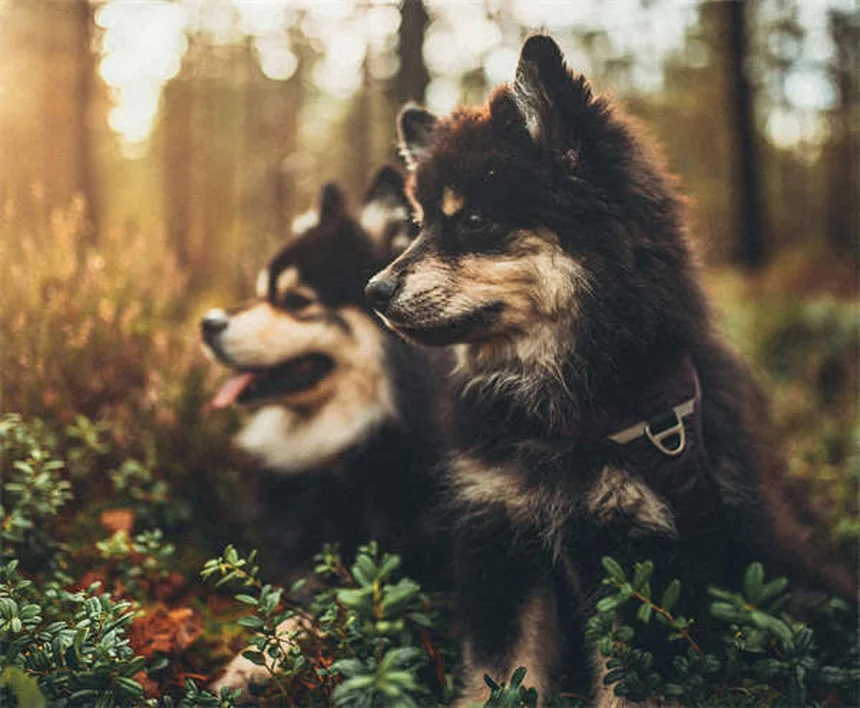
Dog car safety is absolutely crucial for protecting your furry friend on the road. The answer is clear: you should never drive with an unrestrained dog. According to veterinary experts, nearly half of pet owners take dangerous risks by not using proper safety gear. I've seen firsthand how unrestrained dogs can become dangerous projectiles during sudden stops - it's terrifying! Whether you're running quick errands or taking a road trip, securing your pup properly could mean the difference between life and death. In this guide, we'll walk through the best options to keep your dog safe without sacrificing their comfort. You'll discover why seat belts aren't always the answer and learn about alternatives that might work better for your particular pup.
E.g. :Squamous Cell Carcinoma in Horses: Symptoms, Treatment & Prevention
- 1、Why Dog Car Safety Matters More Than You Think
- 2、Dog Seat Belts: Not Just for Humans Anymore
- 3、Dog Crates and Carriers: The Safe Space Your Pup Needs
- 4、Barriers: The Unsung Heroes of Dog Car Safety
- 5、Booster Seats: Not Just for Kids!
- 6、Making the Right Choice for Your Pup
- 7、Final Pro Tips Before You Hit the Road
- 8、The Hidden Dangers of Distracted Driving with Dogs
- 9、Beyond Safety Gear: Creating a Comfortable Environment
- 10、Emergency Preparedness Every Dog Owner Needs
- 11、The Legal Side of Dog Car Safety
- 12、Making Safety Fun for Your Dog
- 13、Special Considerations for Different Dog Types
- 14、Road Trip Essentials You Haven't Thought Of
- 15、FAQs
Why Dog Car Safety Matters More Than You Think
The Shocking Statistics You Can't Ignore
Let me hit you with some numbers that'll make your tail stop wagging. A 2018 Volvo survey revealed that 48% of dog owners don't use any safety gear when driving with their pups. That's like playing Russian roulette with your best friend's life!
Here's a quick comparison that'll make you think twice:
| Safety Measure | Percentage of Dog Owners Using It |
|---|---|
| No safety gear at all | 48% |
| Dogs in front seat | 41% |
| Proper pet safety system | Only 5% |
What the Experts Want You to Know
Dr. Carol Osborne puts it bluntly: "Nobody plans for accidents, but they happen." Your dog roaming freely isn't just dangerous for them - it's a hazard for everyone in the car. Imagine your 50-pound golden retriever becoming a furry missile during sudden braking. Not a pretty picture, right?
Dog Seat Belts: Not Just for Humans Anymore
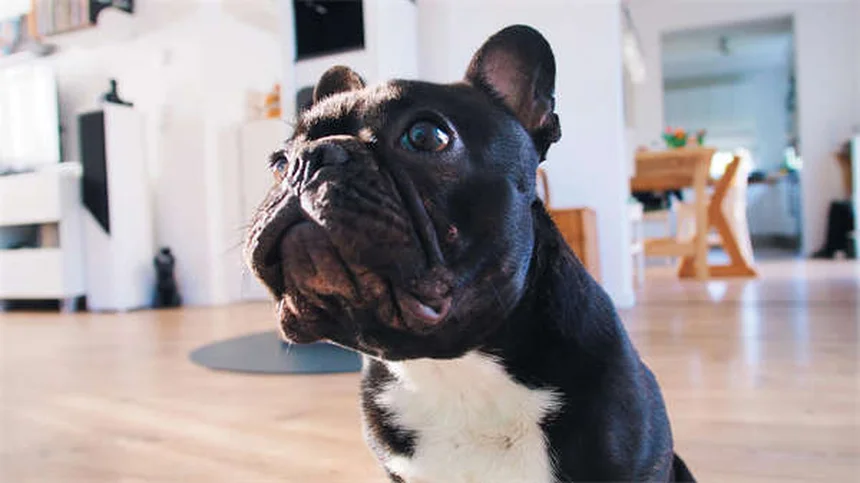 Photos provided by pixabay
How They Actually Work
Think seat belts are just for you? Think again! Dr. Mazzaferro explains that proper dog seat belts attach to special harnesses, not regular collars. Here's the golden rule: if you can't slip two fingers comfortably under the straps, it's too tight.
Ever wonder why some dogs chew through their harnesses? It's not just mischief - many pups chew to relieve anxiety. That's why investing in a high-quality harness like the Kurgo Tru-Fit with steel buckles makes all the difference.
When Seat Belts Don't Cut It
Here's something you might not have considered: seat belts can actually be uncomfortable for tiny dogs. The constant tension might make your Chihuahua feel like they're in a medieval torture device! For toy breeds, we've got better options coming up.
Dog Crates and Carriers: The Safe Space Your Pup Needs
Why Crates Are Game Changers
Picture this: your excitable Labrador suddenly spots a squirrel outside. Without a crate, that excitement turns into dangerous movement. Properly secured crates eliminate this risk completely.
Dr. Mazzaferro recommends crates that allow just enough room for your dog to stand, turn around, and lie down. Not too big, not too small - think Goldilocks principle for dog safety!
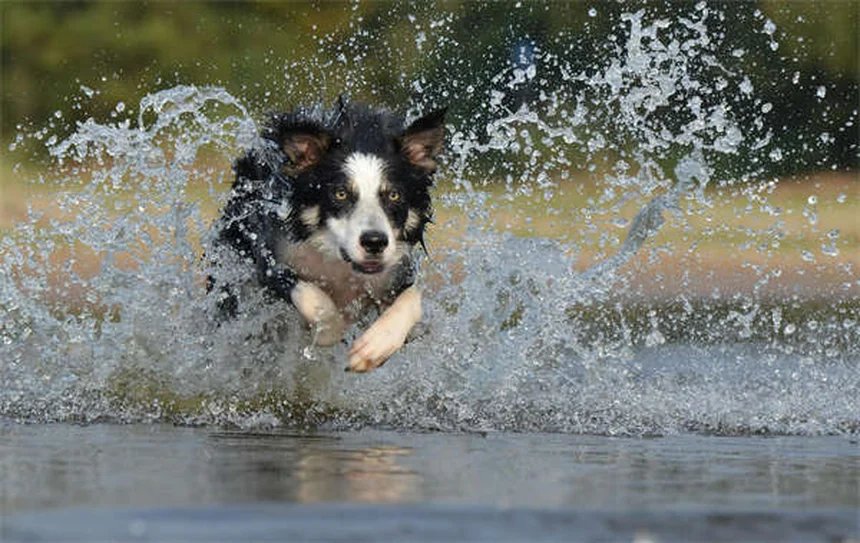 Photos provided by pixabay
How They Actually Work
Got a dog with back or neck issues? Crates are your best friend. Unlike harnesses that can put pressure on sensitive areas during sudden stops, crates provide 360-degree protection. The Pet Gear Travel-Lite crate offers amazing padded comfort for these special cases.
Barriers: The Unsung Heroes of Dog Car Safety
How Barriers Create Safe Zones
Ever tried keeping a Great Pyrenees contained? Good luck without a barrier! These genius inventions create a designated safe space in your vehicle where your dog can relax without becoming a distraction.
Here's a pro tip: nervous dogs especially benefit from barriers. That anxious energy gets contained in their own little safe zone rather than becoming your driving distraction.
Barrier Options for Every Vehicle
From the MidWest wire mesh barrier to Walky Dog's adjustable option, there's a perfect fit for every car. Even if you don't have an SUV, these can separate front and back seats effectively.
Booster Seats: Not Just for Kids!
 Photos provided by pixabay
How They Actually Work
Did you know that booster seats should never be used with airbags active? That's right - if you must put Fido in the front, disable that passenger airbag immediately!
The HDP Deluxe Lookout seat gives small dogs the window view they crave without the danger of jumping out. But remember - the back seat is always safer, just like with human kids.
When Boosters Make Sense
For small dogs that actually stay put (looking at you, unusually calm terriers), boosters can be great. The Solvit car seat cuddler offers backseat safety with an improved view - best of both worlds!
Making the Right Choice for Your Pup
Size Matters More Than You Think
Here's a question you might not have asked: "What's my dog's personality like in the car?" A hyperactive Beagle needs different protection than a lazy Bulldog. Match the safety gear to your dog's energy level!
Budget vs. Safety: Finding Balance
While we'd all love to buy the fanciest gear, safety doesn't have to break the bank. Many mid-range options like the Kurgo harness provide excellent protection without the luxury price tag.
Final Pro Tips Before You Hit the Road
Training Makes All the Difference
No safety gear works if your dog hates it. Gradual introduction is key - let them explore the new crate or harness at home before using it in the car.
Regular Checks You Should Be Doing
Inspect harnesses for wear, ensure crate latches work smoothly, and test barrier stability monthly. These quick checks could save your dog's life in an emergency.
Remember what Dr. Osborne said: "You wouldn't drive without your seatbelt - why should your dog?" Let's make 2023 the year we all prioritize dog car safety properly!
The Hidden Dangers of Distracted Driving with Dogs
How Your Dog Affects Your Driving Skills
You know texting while driving is dangerous, but have you considered how much your dog impacts your focus? Studies show that drivers with unrestrained pets are 30% more likely to crash. That quick glance to check on your pup takes your eyes off the road longer than you think!
Here's a scary scenario: your dog suddenly jumps into your lap while you're merging onto the highway. Now you're trying to steer with one hand while pushing away a 60-pound furball with the other. Not exactly the recipe for safe driving, is it?
The Emotional Factor You're Not Considering
Ever notice how your dog's excitement becomes your excitement? That's because we mirror our pets' emotions. When your dog starts barking at passing cars, your stress levels spike too. This emotional rollercoaster actually slows your reaction time by precious milliseconds that could prevent an accident.
Beyond Safety Gear: Creating a Comfortable Environment
Temperature Control for Happy Travels
Did you know dogs can overheat twice as fast as humans? That "quick stop" at the grocery store becomes dangerous when temperatures rise. Parked cars heat up 20 degrees in just 10 minutes, even with windows cracked.
Here's a life-saving tip: place your hand on the car seat for 5 seconds. If it's too hot for your hand, it's definitely too hot for your dog's paws. Consider sunshades and portable fans for summer travel.
The Power of Familiar Scents
Anxiety isn't just uncomfortable - it makes safety gear less effective. Try placing a familiar blanket in the crate or carrier. The scent of home can reduce stress by up to 40% according to veterinary behaviorists.
Emergency Preparedness Every Dog Owner Needs
Your Car's Dog First-Aid Kit
Bandages for humans won't work on furry legs! A proper canine first-aid kit should include:
- Self-adhering vet wrap (never use human adhesive bandages)
- Canine-specific antiseptic wipes
- Emergency contact numbers laminated and visible
- Extra leash and collar in case yours breaks
Practice Makes Perfect for Emergencies
When was the last time you practiced getting your dog out of their safety gear quickly? In a real emergency, fumbling with harness buckles wastes precious time. Do monthly drills where you time yourself removing your dog from their restraint system.
The Legal Side of Dog Car Safety
Surprising Laws You Might Be Breaking
Did you know that in 17 states, having an unrestrained dog in your car can get you ticketed? Some states like New Jersey even classify it as distracted driving. Fines range from $50 to $500 depending on the location.
Here's a table comparing state laws:
| State | Restraint Requirement | Potential Fine |
|---|---|---|
| California | Must use harness, crate, or barrier | $100 |
| Texas | No specific dog restraint law | Could be cited under distracted driving |
| Rhode Island | Dogs must be secured in moving vehicles | $50-$500 |
Insurance Implications You Should Know
Here's something insurance companies don't advertise: an unrestrained dog can void parts of your auto insurance claim. If investigators determine your dog contributed to an accident, you might be looking at reduced compensation or even claim denial.
Making Safety Fun for Your Dog
Turning Car Rides Into Positive Experiences
Why do most dogs hate safety gear? Because we only use it for boring vet visits! Try taking your dog to fun locations while secured - the park, pet store, or dog-friendly cafes. They'll start associating the harness or crate with adventures instead of just medical trips.
Pro tip: keep special car-only treats that your dog only gets when properly secured. This creates positive reinforcement that makes safety gear exciting.
Games That Teach Safe Car Behavior
Try the "Wait for Release" game: teach your dog to stay in their secured position until you give a release command. Start at home, then move to the parked car, then progress to short drives. This builds patience and reinforces that safety gear means good things come to those who wait.
Special Considerations for Different Dog Types
Senior Dogs Need Extra Care
Older joints need special attention during car rides. Consider memory foam crate pads or orthopedic harness padding. The extra cushioning helps prevent pressure sores during long trips.
Did you know arthritis can make certain safety positions uncomfortable? If your senior dog struggles with standard harnesses, look for ones with wider chest straps that distribute pressure more evenly.
Puppies Present Unique Challenges
That growing puppy will outgrow their safety gear faster than you think! Check fit monthly - you should be able to fit two fingers between any strap and your pup's body. A too-tight harness today might be dangerously loose next month as your puppy grows.
Road Trip Essentials You Haven't Thought Of
Hydration on the Go
Those fancy travel water bowls are great, but have you tried a water bottle with attached bowl? They prevent spills and keep water fresh longer. Look for ones with carabiner clips to attach to crates or seat belts.
Here's a hydration hack: freeze a water bottle overnight for long trips. As it melts, your dog gets cool water throughout the journey without constant refills.
Entertainment for Long Drives
Bored dogs become restless dogs. Try these car-safe toys:
- Kong toys filled with frozen peanut butter
- Lick mats attached to crate walls
- Puzzle toys that dispense treats slowly
Remember: never use hard chew toys in moving vehicles - they can become dangerous projectiles during sudden stops.
E.g. :What car safety harness to get? : r/dogs
FAQs
Q: Are dog seat belts really safe for my pet?
A: Dog seat belts can be safe when used correctly, but there are important caveats you need to know. First off, never attach the seat belt directly to your dog's collar - this could cause serious neck injuries. We recommend using a specially designed safety harness like the Kurgo Tru-Fit that distributes force evenly across your dog's chest. The harness should fit snugly but allow two fingers to slip underneath. Keep in mind that seat belts might not work well for very small dogs (under 10 pounds) or anxious chewers who might damage the restraints. If your dog shows signs of discomfort or tries to escape constantly, consider switching to a crate system instead.
Q: What's the safest way to transport a large dog in my car?
A: For large breed dogs, we typically recommend either a sturdy crate secured in the cargo area or a high-quality car barrier. The Midwest wire mesh barrier creates a safe zone in your SUV or wagon where your big pup can lie down comfortably without becoming a distraction. If you choose a crate, make sure it's crash-tested and properly anchored. Remember, even gentle giants can become dangerous projectiles during sudden stops - that 80-pound Labrador could hit with nearly 2,400 pounds of force in a 30mph crash! Always measure your dog's height and length when selecting barriers or crates to ensure proper fit.
Q: Can I use a regular dog crate for car travel?
A: While you can use regular crates, we strongly suggest investing in crash-tested travel crates specifically designed for vehicles. The Pet Gear Travel-Lite crate features reinforced sides and secure anchoring points that regular wire crates lack. Here's why this matters: in an accident, a standard crate might collapse or become dislodged, putting your dog at risk. Travel crates also often include safety features like padded interiors and better ventilation. If you must use a regular crate temporarily, secure it with multiple anchor points and place non-slip mats underneath to prevent sliding.
Q: Are dog booster seats safe for small breeds?
A: Booster seats can be great for small dogs when used properly, but there are critical safety rules to follow. First, never place the booster in the front seat with an active airbag - the force could be deadly to your tiny companion. We like the Solvit car seat cuddler for the back seat because it elevates small dogs safely while keeping them contained. Make sure any booster you choose has a secure tether system to prevent your dog from jumping out. Watch for signs of motion sickness too - some small dogs do better in enclosed carriers than boosters. Always do test runs around the block before long trips.
Q: How often should I check my dog's car safety equipment?
A: You should inspect all safety gear before every trip, with a more thorough check monthly. Look for frayed straps on harnesses, loose stitching, or weakened buckles. For crates and barriers, test all latches and anchoring points regularly. We recommend replacing harnesses every 1-2 years depending on use, or immediately after any accident (even minor ones). Don't forget to adjust harness fit as your dog grows or changes weight! A quick tip: keep a spare safety tether in your glove compartment in case your primary one fails unexpectedly. Your dog's safety is worth those extra few minutes of inspection time.