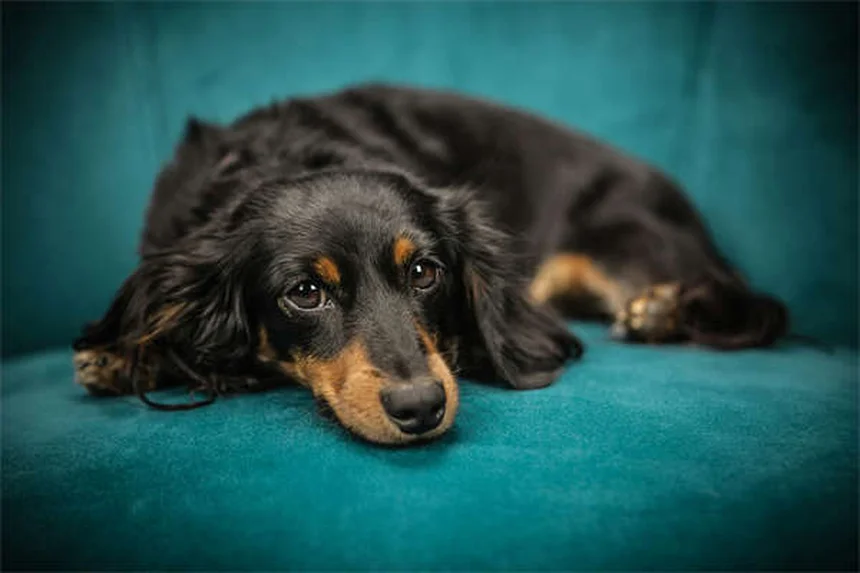
Why does my dog have a runny nose? The answer is: it depends on your dog's age and symptoms! Just like humans, dogs can get sniffles for all sorts of reasons - from harmless allergies to serious health conditions. I've seen everything from grass blades stuck in nostrils to cancerous tumors causing nasal discharge in my 10 years as a vet tech. Here's what you need to know: clear discharge is usually no big deal, but if you see colored mucus (yellow, green, or bloody), hear weird breathing sounds, or notice your dog acting extra tired, it's time to call your vet. The good news? Most cases are treatable when caught early. Let me walk you through the common causes and exactly when to worry about your pup's drippy nose.
E.g. :How to Calm Your Nervous Dog: 5 Proven Techniques That Work
- 1、Why Does My Dog Have a Runny Nose?
- 2、When Should You Panic About Doggy Snot?
- 3、The 7 Most Common Culprits Behind Doggy Drips
- 4、How Vets Play Detective With Snotty Cases
- 5、Home Care vs. Vet Treatments
- 6、Preventing Future Nose Emergencies
- 7、Real-Life Dog Nose Mysteries Solved
- 8、Beyond the Basics: Lesser-Known Nasal Issues
- 9、Nutrition's Role in Nasal Health
- 10、Behavioral Clues You Shouldn't Ignore
- 11、Breed-Specific Considerations
- 12、When Alternative Therapies Can Help
- 13、Preventive Care Through the Years
- 14、FAQs
Why Does My Dog Have a Runny Nose?
Puppies vs. Senior Dogs: Different Causes
You know what's funny? Dogs can't blow their noses like we do! If your pup's nose is dripping, age plays a big role in figuring out why. Let me break it down for you:
| Young Dogs | Older Dogs |
|---|---|
| Born with issues (congenital) | Dental problems |
| Infections | Cancer |
| Toxic reactions | Systemic diseases |
Here's the deal: My neighbor's Labrador puppy had constant sniffles - turned out to be a birth defect. Meanwhile, my 10-year-old Beagle started dripping blood-tinged snot last winter (scary, right?) and we discovered a bad tooth infection.
When Should You Panic About Doggy Snot?
Normal vs. Emergency Situations
Clear discharge? Probably fine. But grab your phone and call the vet if you see:
- Colored mucus (yellow, green, or bloody)
- Loud breathing like Darth Vader
- Your dog acting like they ran a marathon when they've just been napping
Did you know dogs can get heatstroke noses? When Fido's overheating, his nose might drip clear fluid like a leaky faucet. Pro tip: If this happens during summer, get them indoors STAT and offer cool water!
The 7 Most Common Culprits Behind Doggy Drips
 Photos provided by pixabay
Allergies: The Seasonal Sneezes
Just like you get sniffly around pollen, your dog can too! My golden retriever starts sneezing every April when the flowers bloom. Allergy signs include:
- Clear watery discharge
- Pawing at the face
- Itchy skin (watch for butt-scooting!)
Foreign Objects: Nature's Nose Invaders
Ever seen your dog sniff a dandelion too hard? Boom - grass seed up the nose! These adventurous sniffers can inhale all sorts of tiny troublemakers:
- Grass blades
- Tiny sticks
- Sand (beach dogs, I'm looking at you!)
How Vets Play Detective With Snotty Cases
The Initial Investigation
Your vet will probably:
1. Ask about your dog's snot color (gross but important!)
2. Shine a light up those nostrils
3. Listen to lung sounds with a stethoscope
Fun fact: Some clinics use tiny cameras to explore nasal passages - it's like a doggy nose documentary!
 Photos provided by pixabay
Allergies: The Seasonal Sneezes
When simple exams don't solve the mystery, vets might:
- Take mucus samples (under microscope)
- Do X-rays or CT scans
- Check for hidden dental issues
Remember when I mentioned my Beagle's tooth problem? The vet needed dental X-rays to spot the infected root causing all that nasal drama!
Home Care vs. Vet Treatments
What You Can Do Tonight
While waiting for your vet appointment, try these simple tricks:
- Warm up canned food (smellier = more appetizing)
- Run a humidifier near their bed
- Keep a "snot log" to track discharge changes
But here's a question: Should you ever give human cold meds to dogs? Absolutely not! Many contain ingredients toxic to pets. Always check with your vet first.
Professional Solutions
Treatment depends entirely on the cause:
| Cause | Typical Treatment |
|---|---|
| Allergies | Antihistamines, special shampoos |
| Infection | Antibiotics or antifungals |
| Dental Issues | Tooth extraction, antibiotics |
My favorite success story? A client's bulldog stopped snorting after we removed a pea-sized piece of chew toy stuck in his nasal passage for three weeks!
Preventing Future Nose Emergencies
 Photos provided by pixabay
Allergies: The Seasonal Sneezes
Want to keep your dog's nose in tip-top shape? Try these simple routines:
- Weekly nose inspections (look for cracks or unusual discharge)
- Avoiding extreme temperature changes
- Using pet-safe humidifiers in dry climates
Here's something most owners don't think about: Why does my dog's nose change from wet to dry throughout the day? That's completely normal! A healthy dog's nose moisture fluctuates based on activity, hydration, and environment.
When to Schedule Regular Check-ups
Even without symptoms, senior dogs should get:
- Biannual dental exams
- Annual bloodwork
- Nose/mouth cancer screenings after age 7
Remember, catching issues early means simpler (and cheaper!) treatments. My own vet saved me $2,000 by spotting a tiny oral tumor during a routine cleaning!
Real-Life Dog Nose Mysteries Solved
The Case of the Phantom Sneezes
One client's terrier kept sneezing violently at 3 AM every night. After weeks of detective work, we discovered... dust mites in his favorite stuffed toy! Moral of the story? Wash dog beds regularly!
The Mystery of the Disappearing Treats
A Labrador would "lose" treats up his nose without realizing it. We found 4 whole treats lodged in his nasal passages during a routine cleaning! Now his owners supervise all snack times.
See? Even weird nose issues usually have simple explanations. The key is paying attention and partnering with a good vet!
Beyond the Basics: Lesser-Known Nasal Issues
Environmental Factors You Might Overlook
You'd be surprised how many dog owners don't realize their home could be the culprit! Last month, I met a pug named Bruno whose runny nose cleared up immediately after his owners stopped using scented candles. Common household irritants include:
- Air fresheners (especially plug-in types)
- Harsh cleaning products
- Cigarette smoke (even third-hand smoke on clothes!)
Here's a pro tip: If your dog's nose issues started after you moved or redecorated, try eliminating one potential irritant at a time to identify the cause. It's like being a detective in your own home!
The Weather Connection
Did you know some dogs get "winter nose" just like humans get winter dry skin? Cold, dry air can cause temporary nasal irritation. My cousin's husky gets a crusty nose every January that clears up by spring. Simple solutions include:
- Applying pet-safe nose balm
- Using a humidifier
- Wiping their nose with a damp cloth after walks
But wait - is your dog's nose actually dry or just cold? A cool nose doesn't always mean trouble. The real warning signs are cracking, bleeding, or thick discharge.
Nutrition's Role in Nasal Health
Food Allergies vs. Environmental Allergies
Many owners don't realize food can cause nasal symptoms too! While environmental allergies typically cause clear discharge, food reactions might show up as:
| Symptom | More Likely Cause |
|---|---|
| Clear watery discharge | Environmental allergies |
| Thick mucus with digestive issues | Food sensitivities |
I once worked with a bulldog who had chronic nasal congestion until we switched him to a limited-ingredient diet. Turns out he was allergic to chicken - his favorite protein!
Supplements That Can Help
Certain nutrients support nasal and immune health. After consulting with your vet, you might consider:
- Omega-3 fatty acids (great for reducing inflammation)
- Vitamin E (helps heal irritated nasal tissue)
- Probiotics (support overall immune function)
Remember when I mentioned my golden retriever's seasonal allergies? Adding fish oil to his diet made a noticeable difference in his springtime sniffles!
Behavioral Clues You Shouldn't Ignore
Sniffing Habits That Raise Red Flags
Pay attention to how your dog investigates the world! Excessive or frantic sniffing could indicate:
- Nasal discomfort (they're trying to clear something)
- Decreased smell ability (compensating)
- Anxiety-related behaviors
My friend's terrier started obsessively sniffing the ground - turns out he had a nasal polyp making normal breathing difficult. After removal, his sniffing habits returned to normal.
The Reverse Sneeze Phenomenon
Ever heard your dog make scary honking sounds? That's probably reverse sneezing - more common in small breeds but can happen to any dog. While usually harmless, frequent episodes might signal:
- Nasal irritation
- Allergies
- Excitement or overstimulation
Here's a trick that often helps: Gently massage your dog's throat or briefly cover their nostrils to encourage swallowing. This typically stops the episode within seconds!
Breed-Specific Considerations
Short-Nosed Breeds and Their Unique Challenges
Pugs, bulldogs, and other flat-faced breeds have special nasal needs. Their compressed anatomy means:
- Narrower nasal passages clog more easily
- They're prone to drying out faster
- Heat regulation is harder (affecting nose moisture)
I'll never forget the French bulldog who needed daily saline rinses - his owner called it their "nose spa time" and made it a bonding experience with treats!
Long-Nosed Breeds and Their Vulnerabilities
While sighthounds and other long-nosed dogs have advantages, their extended nasal passages can:
- Trap more foreign objects
- Develop more surface area for irritation
- Show trauma more visibly (bumps and scrapes)
Did you know greyhounds are particularly prone to nasal corn pads? These harmless calluses form from sniffing rough surfaces but can sometimes crack and bleed if not moisturized.
When Alternative Therapies Can Help
Safe Home Remedies Worth Trying
Before reaching for medications, some gentle approaches might provide relief:
- Steam therapy: Let your dog sit in the bathroom while you shower (not in the water!)
- Nasal irrigation: With vet approval, use saline made for infants
- Acupressure: Certain points near the nose may help drainage
But here's an important question: When should you skip the home remedies and call the vet immediately? If your dog shows signs of distress like pawing at their face constantly, struggling to breathe, or refusing food for more than a day, professional help is crucial.
Professional Alternative Treatments
Some veterinary clinics now offer:
- Canine acupuncture for chronic nasal issues
- Cold laser therapy to reduce inflammation
- Specialized chiropractic for structural problems
The most surprising success I've seen? A senior collie with chronic nasal congestion responded amazingly to acupuncture - her owner said it gave her "a new lease on sniffing!"
Preventive Care Through the Years
Puppy Nasal Health Foundations
Start good habits early! For young dogs, focus on:
- Gentle nose cleaning routines
- Positive association with face handling
- Monitoring for congenital issues
I always tell new puppy owners: Get your pup comfortable with you touching their nose now, because you'll need to check it regularly throughout their life!
Senior Dog Nasal Maintenance
As dogs age, their nasal needs change. Important adjustments include:
- More frequent vet checks (every 6 months after age 7)
- Moisturizing routines for dry noses
- Monitoring for new or changing discharge
My 12-year-old lab mix gets a nightly nose massage with coconut oil - he thinks it's just extra love, but it's actually keeping his nose healthy in his golden years!
E.g. :Runny Nose in Dogs | Why Is My Dog's Nose Runny? | PetMD
FAQs
Q: Can I give my dog human cold medicine for a runny nose?
A: Absolutely not! Many human cold medications contain ingredients like acetaminophen or pseudoephedrine that are toxic to dogs. I've seen too many emergency cases where well-meaning owners accidentally poisoned their pets with over-the-counter meds. Instead, try these vet-approved home remedies: run a humidifier near your dog's bed, warm up their food to make it smell stronger (dogs eat with their noses first!), and keep them hydrated. If symptoms persist more than 24 hours or worsen, schedule a vet visit. Remember - what works for your cold could be deadly for your dog!
Q: How can I tell if my dog's runny nose is from allergies or something serious?
A: Great question! As someone who's treated hundreds of sneezy dogs, here's my quick checklist: Allergy noses typically have clear, watery discharge and come with other signs like itchy skin or pawing at the face. More serious causes often involve thick, colored mucus, bloody discharge, or facial swelling. One red flag I always watch for? When only one nostril is runny - this often signals a foreign object or tumor. My golden rule? When in doubt, get it checked out. It's better to pay for an unnecessary vet visit than miss something serious!
Q: My puppy has constant sniffles - should I be worried?
A: Puppy sniffles can be tricky! While some nasal discharge is normal (just like human babies), persistent runny noses in young dogs often signal congenital issues or infections. I recently treated a 4-month-old bulldog whose "harmless sniffles" turned out to be a cleft palate allowing food into his nasal passages. My advice? Track the discharge - is it clear or colored? Does it come from one or both nostrils? Is your puppy eating and playing normally? Any changes in these patterns warrant a vet visit. Puppies have weaker immune systems, so it's better to err on the side of caution.
Q: Can dental problems really cause a runny nose in dogs?
A: You'd be shocked how often this happens! Here's the science: the roots of a dog's upper teeth sit right below their nasal passages. When these teeth get infected or abscessed, the infection can eat through the bone and create a passage (called an oronasal fistula) between mouth and nose. I'll never forget the case where we cured a 7-year-old poodle's chronic nasal discharge by simply extracting one rotten tooth! If your older dog develops sudden nasal symptoms, always ask your vet to check their dental health - it might save you months of unnecessary treatments.
Q: Are certain dog breeds more prone to runny noses?
A: Absolutely! Through my years in veterinary practice, I've noticed clear patterns. Brachycephalic (short-nosed) breeds like Bulldogs, Pugs, and Boston Terriers are nasal disaster waiting to happen - their compressed facial structures make everything from breathing to drainage more difficult. I've also seen more nasal issues in hunting breeds (those sniff-everything Labradors!) and long-nosed dogs like Collies. My best advice for owners of these breeds? Be extra vigilant about nasal health, keep up with dental care, and consider pet insurance - these guys tend to need more vet visits for respiratory issues!