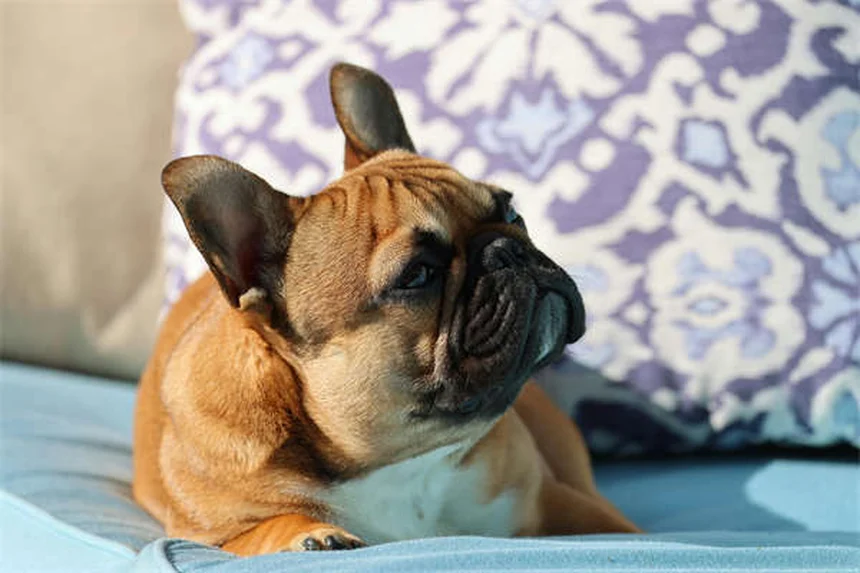
Is anesthesia safe for pets? The answer is: Yes, when proper precautions are taken! While anesthesia does carry some risks for our furry friends, modern veterinary medicine has made it safer than ever before. I've been through this with my own pets multiple times, and let me tell you - understanding these risks actually gave me more peace of mind when my poodle needed dental work last year.In this guide, we'll walk through the 5 most common anesthesia risks you should discuss with your vet, along with practical tips to minimize them. You'll learn why pre-anesthesia blood work matters, how temperature control during surgery works, and what questions to ask your veterinary team. By the end, you'll feel confident making decisions about your pet's care - just like I did after doing my research!
E.g. :Rabbit Weight Loss: 5 Critical Signs Your Bunny Needs Help
- 1、Understanding Anesthesia for Pets
- 2、The Top 5 Risks You Should Know About
- 3、Questions to Ask Your Vet
- 4、Reducing Risks - What You Can Do
- 5、When Anesthesia is Worth the Risk
- 6、Final Thoughts From an Experienced Pet Owner
- 7、Beyond the Basics: What Most Pet Owners Don't Know About Anesthesia
- 8、The Human Connection: Parallels Between Pet and Human Anesthesia
- 9、Cost Considerations: Breaking Down the Expenses
- 10、The Future of Pet Anesthesia
- 11、Your Role in Your Pet's Anesthesia Experience
- 12、When Things Don't Go as Planned
- 13、FAQs
Understanding Anesthesia for Pets
What Exactly Is Pet Anesthesia?
Let me break this down for you in simple terms. When your furry friend needs surgery, veterinarians use special medications to make them sleep through the procedure. This isn't ordinary sleep - it's a carefully controlled state where your pet won't feel pain or remember the operation.
Think of it like when you get your wisdom teeth removed. You don't want to be awake for that, right? Same goes for your pet! The anesthesia team monitors everything from heart rate to oxygen levels the entire time. Modern veterinary medicine has made this process safer than ever, but like with humans, there are always some risks involved.
Why Anesthesia Can't Be Avoided
You might wonder - can't we just skip the anesthesia? Absolutely not! Here's why:
| Without Anesthesia | With Anesthesia |
|---|---|
| Extreme stress for your pet | Peaceful experience |
| Risk of injury from movement | Complete stillness for precision |
| Painful procedure | Pain-free operation |
I've seen pets try to jump off the table during simple procedures when not properly sedated. Trust me, you don't want that for your furry family member!
The Top 5 Risks You Should Know About
 Photos provided by pixabay
1. Allergic Reactions - Rare But Serious
Just like people, pets can have unexpected reactions to anesthesia drugs. The good news? Vets test for known allergies beforehand and have emergency medications ready.
Here's a personal story - my neighbor's golden retriever, Max, once had a mild reaction that caused some swelling. The veterinary team noticed immediately and adjusted his medication. He was completely fine by the next day! This shows why choosing a well-equipped clinic matters.
2. Breathing Complications - The Silent Concern
Did you know that anesthesia affects how your pet breathes? This is why monitoring is crucial throughout the entire procedure.
Smaller pets like rabbits and birds are especially sensitive. I always recommend asking your vet about their respiratory monitoring equipment. The best clinics use advanced machines that beep if oxygen levels drop even slightly, allowing instant correction.
3. Temperature Trouble - Keeping Them Cozy
Anesthesia can mess with your pet's ability to regulate body temperature. Ever woken up from surgery feeling freezing? Same thing happens to animals!
Modern vet clinics use heated pads and even special blankets to maintain perfect body temperature. Some places even have warm air blankets that gently blow cozy air over your pet during surgery. How cool is that?
 Photos provided by pixabay
1. Allergic Reactions - Rare But Serious
Here's something that might surprise you - anesthesia drugs can temporarily lower blood pressure and heart rate. But before you panic, remember that veterinary teams constantly track these vital signs.
During my poodle's dental cleaning last year, the vet noticed his heart rate dropped slightly. They adjusted the anesthesia flow and he was back to normal in seconds. This is exactly why pre-anesthesia blood work is so important!
5. Recovery Period - The Wake-Up Call
Ever feel groggy after surgery? Pets experience this too! Some animals take longer than others to fully wake up.
Cats often give the funniest reactions - one minute they're sleeping, the next they're trying to walk while still half-asleep! The clinic staff watches them closely during this phase to prevent any accidents.
Questions to Ask Your Vet
Pre-Surgery Checklist
What should you ask before your pet's procedure? Here's my must-ask list:
- What pre-anesthesia tests will you perform?
- How many staff will monitor my pet during surgery?
- What emergency equipment do you have available?
Don't be shy about these questions! Any good vet will appreciate your concern and happily answer them.
 Photos provided by pixabay
1. Allergic Reactions - Rare But Serious
Is your vet clinic prepared for emergencies? You bet they are! Modern veterinary hospitals have:
- Emergency oxygen supplies
- Reversal medications for anesthesia
- Continuous monitoring equipment
The clinic I use even has a dedicated anesthesia technician for every procedure. Now that's what I call peace of mind!
Reducing Risks - What You Can Do
Pre-Surgery Preparation
You play a huge role in your pet's safety! Follow these simple steps:
- Stick to the fasting instructions (no sneaking treats!)
- Share your pet's complete medical history
- Keep them calm before the procedure
Remember when I mentioned Max the golden retriever? His owners forgot to mention he'd had a reaction to a vaccine years earlier. That's why full disclosure matters!
Post-Surgery Care Tips
The first 24 hours after anesthesia are crucial. Your pet might:
- Be wobbly on their feet
- Need help staying warm
- Require special feeding instructions
I always set up a cozy recovery area with soft blankets and water within easy reach. Pro tip: block off stairs until they're fully alert!
When Anesthesia is Worth the Risk
Common Procedures That Need Anesthesia
From routine dental cleanings to life-saving surgeries, anesthesia enables veterinarians to:
- Perform thorough dental work
- Conduct precise orthopedic surgeries
- Remove tumors safely
My cat's dental cleaning revealed two bad teeth that needed extraction. Thanks to anesthesia, she didn't feel a thing and her mouth healed beautifully!
The Alternative is Worse
Think about this - would you want a tooth pulled without numbing? Neither does your pet! The temporary risks of anesthesia far outweigh the guaranteed pain of surgery without it.
Last month, a friend's dog needed emergency surgery after eating socks (dogs, right?). The anesthesia allowed the vet to safely remove the blockage and save his life. Sometimes the benefits clearly outweigh the risks!
Final Thoughts From an Experienced Pet Owner
Trust But Verify
Find a vet you trust, but don't be afraid to ask questions. I always tour new clinics and ask to see their surgical suite. The best places are proud to show off their safety measures!
One clinic I visited had a whole wall of monitoring equipment that would make a human hospital jealous. That's the kind of place I want caring for my pets.
Knowledge is Power
Now that you understand the risks and safety measures, you can make informed decisions about your pet's care. Remember - millions of pets undergo anesthesia safely every year!
The bottom line? Modern veterinary anesthesia is incredibly safe when performed by trained professionals. By being an informed pet parent, you're already giving your furry friend the best chance at a smooth procedure and quick recovery.
Beyond the Basics: What Most Pet Owners Don't Know About Anesthesia
The Evolution of Veterinary Anesthesia
Did you know anesthesia for pets has come a long way since the 1950s? Back then, veterinarians often used ether - a smelly, dangerous substance that's now obsolete. Today's drugs are specifically formulated for animals and work much more precisely.
I recently visited a veterinary museum that showed the progression of anesthesia equipment. The old machines looked like something from a Frankenstein movie! Modern systems are computerized, with digital readouts and automatic alerts. This advancement means your pet gets safer, more customized care than ever before.
Special Considerations for Exotic Pets
While we mostly talk about cats and dogs, what about rabbits, reptiles or birds? These pets have unique anesthesia needs that many owners don't consider.
Take birds for example - their respiratory systems work completely differently from mammals. A vet once explained to me that birds have air sacs instead of lungs! This means anesthesia protocols must be adjusted. I'll never forget seeing a parrot wake up from surgery - it started singing before it could even stand up straight!
The Human Connection: Parallels Between Pet and Human Anesthesia
Similar Drugs, Different Doses
Would it surprise you to learn that some anesthesia drugs used for pets are nearly identical to human medications? The main difference comes down to dosage and monitoring.
| Drug | Used in Humans | Used in Pets |
|---|---|---|
| Propofol | Yes | Yes (careful with cats!) |
| Isoflurane | Rarely | Common gas anesthetic |
| Ketamine | Limited use | Widely used in vet medicine |
My cousin, a human anesthesiologist, was shocked when she saw how similar our dog's anesthesia chart looked to human protocols. The main difference? Dogs typically need higher doses relative to their weight than humans do.
Monitoring Standards: Are Vets More Careful?
Here's a provocative thought - could veterinary anesthesia monitoring actually be more thorough than in human medicine? While human hospitals have more resources, vets often compensate with extra vigilance.
I've observed surgeries at both human and animal hospitals. The veterinary team typically has one technician dedicated solely to monitoring anesthesia for each patient. In many human hospitals, an anesthesiologist might oversee multiple cases simultaneously. Makes you think, doesn't it?
Cost Considerations: Breaking Down the Expenses
Why Anesthesia Adds So Much to the Bill
Ever wonder why anesthesia makes veterinary procedures so much more expensive? It's not just the drugs - it's all the safety measures that come with them.
Let me give you the inside scoop from my vet friend. For a routine spay surgery, the anesthesia costs cover: the drugs themselves, specialized equipment, monitoring machines, oxygen supply, and the technician's time. Plus there's all the pre-anesthesia bloodwork. When you add it up, you're actually getting a bargain compared to human medical costs!
Insurance Can Help - Here's How
Pet insurance often covers anesthesia for necessary procedures, but policies vary widely. I learned this the hard way when my dog needed emergency surgery.
After my $3,000 vet bill (yikes!), I did some research. Now I always recommend checking if your policy covers "accident and illness" - these typically include anesthesia for surgeries. Wellness plans might cover anesthesia for routine procedures like dental cleanings. Pro tip: ask specifically about anesthesia coverage before choosing a plan!
The Future of Pet Anesthesia
High-Tech Monitoring on the Horizon
What's next in veterinary anesthesia? Some cutting-edge clinics are already using brain activity monitors similar to human "BIS" systems. These devices measure how deeply asleep your pet actually is.
I recently saw a demo of this technology at a veterinary conference. The monitor showed colorful brain wave patterns changing as the test dog went under anesthesia. The vet could adjust the gas flow based on real-time brain data rather than just vital signs. Pretty sci-fi stuff!
Personalized Anesthesia Plans
Imagine your pet's anesthesia being as customized as their food! Researchers are working on genetic tests that could predict how individual animals metabolize anesthesia drugs.
A veterinary researcher told me about a study where they identified genetic markers affecting drug sensitivity in greyhounds. Soon, your vet might be able to tailor anesthesia protocols based on your pet's breed, age, weight, and genetic profile. The future is looking bright (and safe) for our furry friends!
Your Role in Your Pet's Anesthesia Experience
Pre-Anesthesia Nutrition Matters More Than You Think
We all know about fasting before surgery, but did you know your pet's overall diet affects anesthesia safety? Pets with optimal nutrition tend to recover faster.
My vet explained that well-nourished animals have better liver function, which helps process anesthesia drugs. She recommended adding omega-3s to my cat's diet for two weeks before his dental cleaning. Sure enough, he bounced back quicker than expected! Now I always ask about pre-surgery nutritional tips.
The Power of Calm: Reducing Pre-Op Stress
Here's something most owners overlook - your pet's emotional state affects anesthesia safety. Stressed animals can have more complications.
I've developed a pre-surgery routine that works wonders: pheromone sprays in the carrier, a familiar blanket, and playing calming music during the car ride. One clinic even lets me stay with my dog until the sedatives take effect. These small things make a big difference in keeping your pet relaxed before their procedure.
When Things Don't Go as Planned
Understanding the "Anesthesia Event"
What happens when there's an unexpected reaction? Vets call these "anesthesia events," and they're trained to handle them.
Last year, I witnessed a minor event during a friend's dog's surgery. The monitoring equipment detected irregular heart rhythms immediately. The vet team sprang into action - adjusting medications, giving oxygen, and stabilizing the patient within minutes. It was scary but impressive to see their training in action. This experience showed me why choosing an experienced veterinary team matters so much.
The Recovery Curve: Not Always Smooth
We expect pets to wake up groggy, but what if recovery takes longer than expected? This happens more often than people realize, especially with older animals.
My 12-year-old lab once took nearly 8 hours to fully recover from anesthesia. The vet explained that older pets often process drugs more slowly. They kept her overnight for observation (at no extra charge!), and she was back to normal by morning. The lesson? Don't panic if your pet takes longer than expected - just make sure they're being monitored properly.
E.g. :Dog Anesthesia: What Every Dog Owner Should Know – American ...
FAQs
Q: How common are anesthesia complications in pets?
A: The good news is that serious complications are quite rare - studies show less than 1% of pets experience significant issues. From my experience working with vets, I can tell you that most problems occur when proper protocols aren't followed. That's why we always recommend choosing an AAHA-accredited hospital (they have stricter safety standards) and making sure your pet gets pre-anesthesia blood work. The risk drops even lower when your vet knows your pet's complete health history and monitors them closely during the procedure.
Q: What's the most dangerous anesthesia risk for older pets?
A: For senior animals, breathing complications tend to be the biggest concern. As pets age, their lungs don't function as efficiently, and anesthesia can temporarily depress their respiratory system. But here's what puts my mind at ease - modern clinics use pulse oximeters and capnography machines that monitor oxygen levels in real-time. My 12-year-old lab mix had surgery last winter, and the vet had three different monitors tracking her breathing. They even adjusted the anesthesia flow the moment her oxygen dipped slightly!
Q: Should I be worried about my pet waking up during surgery?
A: This is one of those scary thoughts that keeps pet owners up at night, but in reality, it's extremely uncommon. Veterinary teams use precise dosing calculations based on your pet's weight and health status, plus they continuously monitor brain activity in many cases. I remember asking my vet this same question, and she showed me the anesthesia machine's alarms that would sound if my cat's awareness level changed. They also use multiple drugs that work together to maintain the perfect level of sedation throughout the procedure.
Q: How long does it take for anesthesia to leave a pet's system?
A: Most pets metabolize anesthesia drugs within 24 hours, but the visible effects usually wear off much sooner. In my experience, dogs often seem back to normal within 4-6 hours, while cats might take 8-12 hours (they're famously sensitive to medications!). The clinic where I take my pets keeps them until they're fully awake and stable, then sends them home with detailed recovery instructions. Pro tip: don't be alarmed if your pet seems disoriented or sleepy that first evening - it's completely normal and they'll likely be back to their usual self by morning!
Q: Can I do anything to make anesthesia safer for my pet?
A: Absolutely! As a pet owner, you play a crucial role in anesthesia safety. First, follow all pre-surgery instructions - especially about fasting (no sneaking breakfast!). Second, provide your vet with complete medical history, including any past reactions to medications. Third, ask about the clinic's monitoring equipment and emergency protocols. I always request a tour of the surgical area - the best clinics are happy to show off their safety measures. Finally, keep your pet calm before the procedure (I use pheromone sprays) and create a quiet recovery space at home.