
Wondering how to keep your dog or cat entertained when you're not home? The answer is simpler than you think! Just like us, our furry friends get bored and lonely when left alone too long. From destructive chewing to excessive meowing, these behaviors are your pet's way of saying I need more stimulation!I've seen countless pet owners (myself included) struggle with this exact issue. The good news? There are plenty of effective solutions that don't require you to quit your job! Whether it's interactive toys, midday walks, or creating the perfect pet-friendly environment, we'll show you exactly how to transform your bored pet into a content companion.Remember Max, the living room redecorator I mentioned earlier? After implementing just two of these strategies (morning walks and puzzle toys), he went from household menace to perfectly behaved pup. You can achieve the same results - let's dive in!
E.g. :7 Types of Steroids for Dogs: Uses, Side Effects & Safety Guide
Keeping Your Furry Friend Happy: A Complete Guide
Why Pets Get Bored (And How You Can Tell)
Ever come home to find your favorite shoes chewed up or mysterious "presents" on your carpet? That's your pet screaming "I'm bored!" in the only way they know how. Dogs might bark nonstop or destroy furniture, while cats often scratch everything in sight or overgroom themselves.
Let me tell you about Max, my neighbor's golden retriever. When left alone for long hours, he'd rearrange the entire living room - pillows everywhere, remote controls missing, you name it. This wasn't bad behavior - it was pure boredom. The solution? We'll get to that, but first...
Exercise: The Magic Cure for Boredom
Morning Moves That Matter
You wouldn't sit still all day without going crazy, right? Neither should your pet. A simple 20-minute walk before work can work wonders. Here's why:
It's not just about physical exercise (though that's important). That morning walk lets your dog experience new smells, see different sights, and get mental stimulation. Think of it like scrolling through social media - but with their nose!
Playtime for Cats (Yes, They Need It Too!)
"But my cat sleeps all day!" you say. Here's the truth: cats are natural hunters who need to "hunt" even indoors. Try these:
| Activity | Duration | Best Time |
|---|---|---|
| Laser pointer chase | 5-10 minutes | Before you leave |
| Feather toy play | 10-15 minutes | Morning & evening |
| Food puzzle games | 15-30 minutes | When you're gone |
 Photos provided by pixabay
When You Can't Be There: Smart Solutions
The Dog Walker Advantage
Can't make it home at lunch? Professional dog walkers are worth every penny. Here's what they offer that you might not:
They bring fresh energy and new routes for your dog's walks. Many walkers will even send you GPS maps of their route and photos of your happy pup. It's like Uber for dogs - but way more personal!
Daycare: Not Just for Kids
Did you know some dogs get so excited for daycare they drag their owners to the door? Quality daycare provides:
- Socialization with other dogs
- Supervised playtime
- Nap times (yes, they need those too)
- Basic training reinforcement
Toys That Actually Work
Puzzle Toys: Brain Food for Pets
Ever seen a dog solve a puzzle toy? It's like watching Einstein work! The best ones:
Release treats when manipulated correctly, challenge your pet's problem-solving skills, and keep them busy for hours. Pro tip: Start with easy puzzles and gradually increase difficulty - nobody likes a game they can't win!
Cat Furniture: More Than Just a Scratching Post
Why do cats love climbing towers? Simple - in the wild, height means safety. A good cat tower offers:
Multiple levels for climbing, cozy hiding spots for naps, and proper scratching surfaces. Bonus: It keeps them off your furniture! Just make sure it's sturdy - nobody wants a wobbly cat condo.
Creating a Pet-Friendly Environment
Background Noise: More Than Just White Noise
Ever wonder if leaving the TV on really helps? Here's the scoop:
Studies show pets prefer certain types of programming. Nature documentaries with animal sounds work great for dogs, while classical music can calm anxious cats. There are even pet-specific TV channels now!
The Buddy System: Should You Get Another Pet?
Is two really better than one? Sometimes! Consider this:
Another pet can provide companionship, but it's not a guaranteed fix. You'll need to consider double the food costs, vet bills, and attention. Proper introductions are crucial - you wouldn't want a furry roommate feud!
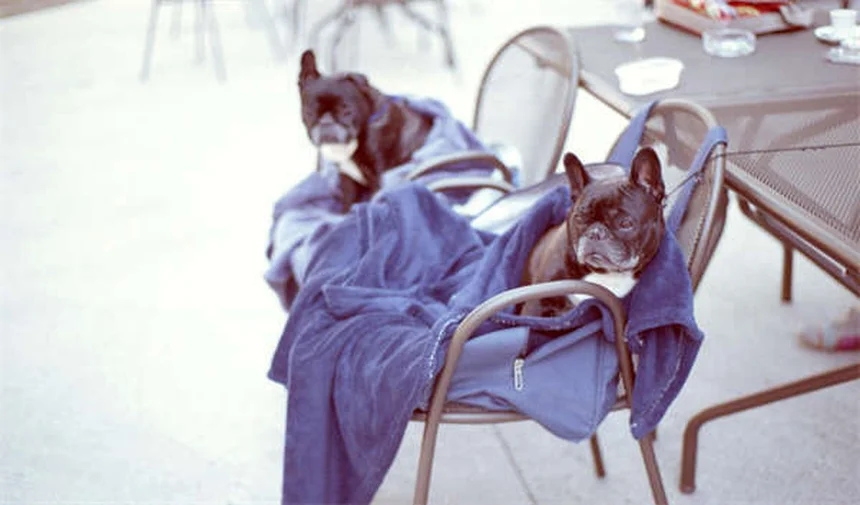 Photos provided by pixabay
When You Can't Be There: Smart Solutions
Recognizing Serious Anxiety
How do you know when it's more than just boredom? Watch for:
Excessive drooling or panting, destructive behavior that continues despite your efforts, or self-harm like constant licking. These could signal separation anxiety needing professional treatment.
Working With Your Vet
Your vet isn't just for shots and checkups! They can:
Recommend behavior specialists, suggest anxiety medications if needed, and help create a customized plan for your pet. Remember - there's no shame in asking for help when your furry friend needs it.
Final Thoughts: Small Changes, Big Results
Keeping your pet entertained doesn't require huge lifestyle changes. Start with one new activity this week - maybe a morning walk or a puzzle toy. See what works for your unique pet. After all, a happy pet means a happier home for everyone!
Image: TheGiantVermin / via Flickr
The Hidden Language of Pets
Understanding Their Secret Signals
You know that funny little dance your dog does when they're excited? Or how your cat's tail twitches when they're annoyed? These aren't just cute quirks - they're full conversations in pet language! Let me break down some fascinating behaviors you might have missed.
When dogs yawn, it's not always because they're tired. Sometimes they're actually saying "I'm uncomfortable" or trying to calm themselves down. And that slow blink from your cat? That's their version of a kitty kiss! Learning these signals helps you respond better to their needs before boredom or anxiety sets in.
 Photos provided by pixabay
When You Can't Be There: Smart Solutions
Why Your Dog Needs to Sniff Everything
Ever get frustrated when your dog stops to sniff every single blade of grass? Here's a mind-blowing fact: a 20-minute sniff walk tires dogs out more than an hour of regular walking!
Dogs process smells like we process sights - it's how they "see" the world. That fire hydrant? It's basically their neighborhood Facebook feed! Next time you're walking, try letting your dog lead the way with their nose. You'll be amazed at how much happier and calmer they are afterward.
Cat Pheromones: The Secret to a Happy Home
Did you know cats have scent glands on their cheeks? When they rub against your legs or furniture, they're not just being affectionate - they're marking their territory with happy pheromones.
You can actually buy synthetic versions of these calming pheromones to help stressed cats. They come as sprays, diffusers, or collars. I tried one when moving apartments, and my cat adjusted way faster than I did!
The Emotional Lives of Pets
Do Pets Get Jealous? You Bet!
Ever notice your pet acting weird when you pay attention to someone else? That's not your imagination. Science shows pets experience jealousy just like humans do.
In one study, dogs reacted strongly when their owners petted a fake dog. Some even tried to push the "intruder" away! The solution? Make sure to give equal attention when introducing new people or pets to your home.
Can Pets Sense Our Emotions?
Here's something wild - your pet probably knows when you're sad before you do! Dogs can smell chemical changes in our bodies when we're stressed. Cats may not be as obvious, but many will curl up with owners who are feeling down.
I'll never forget when my dog brought me his favorite toy after I had a bad day at work. It was like he was saying "Here, this always makes me feel better." Pets give us so much emotional support - shouldn't we return the favor?
Pet Tech: Cool Gadgets for Happy Animals
Interactive Cameras: More Than Just Surveillance
Modern pet cameras let you do way more than just watch your furry friend. The best ones allow:
| Feature | Benefit | Best For |
|---|---|---|
| Treat tossing | Reward good behavior remotely | Dogs left alone |
| Two-way audio | Comfort pets with your voice | Anxious animals |
| Laser pointer | Entertain cats automatically | Indoor cats |
Smart Feeders: Not Just Convenient
Automatic feeders do more than just save you time. They:
Help prevent overeating with precise portion control, maintain consistent meal times (great for pets with anxiety), and some even slow down fast eaters to prevent digestive issues. My friend's dog used to scarf his food so fast he'd get sick - the smart feeder solved that overnight!
Training Techniques That Actually Work
Positive Reinforcement: Why Punishment Fails
Ever yelled at your pet for bad behavior and it just kept happening? There's a scientific reason for that.
Pets don't connect punishment with their actions the way humans do. Instead, they just learn to fear you. Positive reinforcement (treats, praise) works way better because it builds trust while teaching good habits. Remember - you're not training a robot, you're building a relationship!
The 3-Second Rule for Training Success
Here's a pro tip most people don't know: you have just 3 seconds to reward desired behavior for pets to make the connection.
That means treats need to come immediately after they do something right. Wait too long, and they won't understand what they're being rewarded for. Keep treats handy everywhere - by the door, on the couch, in your pocket. Be ready to celebrate those good moments!
Nutrition's Role in Pet Behavior
How Food Affects Mood
You are what you eat - and so is your pet! Low-quality food can actually cause behavior problems.
Cheap fillers like corn and by-products can lead to energy spikes and crashes, making pets hyperactive then lethargic. High-quality proteins and balanced nutrients help maintain steady energy and better behavior. Think about it - would you feel your best eating junk food all day?
The Treat Dilemma: How Much Is Too Much?
We all love spoiling our pets, but overdoing treats causes more problems than just weight gain.
Too many treats can lead to nutritional imbalances and even behavior issues when pets start refusing regular food. A good rule? Treats should make up no more than 10% of their daily calories. And always check ingredients - some "healthy" treats are packed with sugar!
Seasonal Considerations for Pet Happiness
Winter Blues: Yes, Pets Get Them Too
Shorter days and cold weather affect pets more than you might think. Here's how to help:
Indoor exercise becomes crucial when it's too cold for long walks. Try hide-and-seek with treats or indoor fetch down a hallway. For cats, create climbing paths using furniture. And don't forget - pets still need sunlight! Open curtains during the day and consider full-spectrum lights.
Summer Strategies for Cool Pets
Heat affects pets way more than humans. Did you know dogs only sweat through their paws?
Frozen treats are a great way to keep them cool and entertained. Try freezing peanut butter (xylitol-free!) in a Kong toy. For cats, place ice cubes in their water or make "popsicles" from tuna water. Always provide shade and fresh water - dehydration happens fast in summer!
E.g. :How do you keep pets happy? : r/GroundedGame
FAQs
Q: How can I tell if my pet is bored or just being naughty?
A: Here's how I explain it to my clients: destructive behavior is rarely "naughty" behavior. When your dog chews your favorite shoes or your cat scratches the couch, they're not trying to punish you. These are clear signs they need more mental and physical stimulation. Look for patterns - does the behavior happen after you've been gone for hours? Does it improve when you provide more activities? That's boredom speaking, not disobedience. The solution isn't punishment, but rather providing appropriate outlets for their energy.
Q: What's the best type of toy to keep my pet occupied?
A: Puzzle toys are absolute game-changers in my experience. For dogs, I recommend treat-dispensing toys that make them work for their reward. The Kong Classic is my personal favorite - you can stuff it with peanut butter or kibble and freeze it for hours of entertainment. For cats, try interactive toys like the Cat Amazing puzzle box or electronic mice that move unpredictably. Remember: rotate toys weekly to keep things fresh. That toy your pet ignored last month might become their new favorite when reintroduced!
Q: Is doggy daycare really worth the cost?
A: As someone who's used daycare for years, the answer is a resounding yes - when you find the right facility. A quality daycare provides socialization, supervised play, and mental stimulation that's hard to replicate at home. Look for places that separate dogs by size and temperament, require vaccinations, and have trained staff. Many offer webcams so you can check in during the day. Pro tip: start with half-days to see how your dog adjusts. The cost averages $25-$45 per day, but think of it as an investment in your pet's happiness (and your furniture's survival!).
Q: Can I leave the TV on for my pet?
A: Absolutely! Studies show that certain programs can actually comfort pets. For dogs, try nature documentaries with animal sounds or channels specifically designed for pets (yes, those exist!). Cats often respond well to bird videos or fish tank footage. Keep the volume low and place the screen at their eye level. While TV shouldn't replace other forms of enrichment, it's a great supplemental tool. I've had clients report their anxious pets actually wait by the TV at their usual "show time"!
Q: Should I get another pet to keep my current one company?
A: This is a big decision that requires careful thought. While another pet can provide companionship, it's not an automatic solution. Consider your current pet's personality - some animals prefer being the only child! If you do decide to add to your furry family, proper introductions are crucial. I recommend fostering first to test compatibility. Remember: two pets means double the food, vet bills, and attention. But when it works, seeing them cuddle and play together makes all the effort worthwhile!